

For many car owners, owning a vehicle is both a privilege and a source of anxiety. From the fear of unexpected breakdowns to concerns about maintenance costs, safety, and the longevity of the vehicle, it’s easy to feel stressed every time you turn the key. Cars are significant investments, and keeping them reliable requires more than occasional oil changes or tire rotations. Understanding the potential problems that can arise and taking proactive steps to prevent them can dramatically reduce the stress associated with car ownership.
Worrying about your car often stems from uncertainty. When you don’t know whether a component might fail, it can be difficult to plan trips, budget for maintenance, or feel confident on the road. The good news is that most car-related issues are preventable with a structured approach to maintenance and care. By focusing on key areas—both mechanical and cosmetic—car owners can significantly reduce the likelihood of emergencies, expensive repairs, or safety hazards.
This article offers ten practical, actionable tips specifically designed for worrisome car owners. Each tip addresses common areas of concern, from battery life and braking systems to glass care and cosmetic maintenance. Following these strategies not only improves vehicle reliability but also provides peace of mind, knowing that your car is properly maintained and safe for daily use.
1. Monitor Your Car’s Battery Health
Car batteries are one of the most overlooked but critical components in vehicle operation. Batteries provide the power needed to start the engine and run essential electronics, and a failing battery can leave you stranded at the most inconvenient times. Over time, batteries lose their capacity due to natural chemical degradation, extreme weather conditions, and inconsistent usage. For worrisome car owners, monitoring battery health should be a top priority. Regular inspections for corrosion, loose connections, and voltage levels can help prevent sudden failure and ensure consistent vehicle performance.
In addition to physical inspections, understanding your battery’s age and usage patterns is essential. Short trips can prevent a battery from fully charging, while leaving electronics on while the engine is off can accelerate wear. Keeping a maintenance log can help identify patterns that might suggest your battery is weakening. Many car owners also benefit from having a portable jump starter or knowing the location of trusted auto repair services, which adds another layer of security.
Finally, planning ahead is critical. Knowing when to replace a battery before it dies reduces stress and prevents emergency situations. Proactively replacing old batteries, particularly before winter or long trips, can prevent inconvenient and potentially dangerous breakdowns. For worrisome car owners, regular attention to battery health transforms one of the most common sources of anxiety into a manageable, predictable aspect of vehicle ownership.
2. Address Small Dents and Scratches Early

Even minor cosmetic damage can become a source of anxiety if left unchecked. Small dents, scratches, and paint chips may seem superficial, but they can worsen over time, leading to rust, corrosion, and more extensive body damage. Dent repair not only restores the vehicle’s appearance but also prevents structural weakening of panels that can compromise long-term integrity. Visiting a trusted auto body shop ensures that repairs are done properly, preserving both aesthetic appeal and resale value.
DIY dent repair is sometimes an option for very small imperfections, but professional services offer a higher level of precision and quality. A trained technician can also inspect surrounding areas for hidden damage that might not be visible to the untrained eye. By addressing cosmetic damage early, car owners prevent minor imperfections from developing into larger, more expensive problems. This approach reduces long-term maintenance costs while giving vehicle owners peace of mind.
Additionally, early dent repair can protect the car’s overall safety. Misaligned panels can sometimes affect door operation or even compromise aerodynamics and handling. For worrisome car owners, taking care of minor damage quickly ensures that both the appearance and functionality of the car remain intact. Regular visual inspections for dents and scratches, followed by timely professional intervention, should be a routine part of vehicle care.
3. Keep Your Windshield and Windows Safe and Clear
Visibility is critical for safe driving, and even small cracks or chips in your windshield can pose significant risks. Auto glass service providers can repair minor damage before it spreads, restoring safety and maintaining structural integrity. Damaged windshields not only reduce visibility but can also fail to provide adequate protection in a collision, increasing the risk of injury. Proactively addressing glass damage ensures that your car remains safe and roadworthy.
Regular inspection of glass is key, especially for vehicles frequently exposed to road debris, hail, or extreme temperatures. A small chip can quickly develop into a large crack, leading to more costly repairs or even full replacement. For specialty vehicles or customized needs, investing in custom glass may be beneficial, offering enhanced strength or specialized designs to suit unique operational requirements. Ensuring professional installation maximizes both safety and longevity.
Beyond safety, maintaining clear glass reduces stress while driving. Drivers who know their windshields and windows are in optimal condition experience less anxiety in poor weather or night driving. Routine maintenance, timely repairs, and careful protection of glass surfaces transform one of the most worrisome aspects of car ownership into a manageable responsibility.
4. Maintain Smooth and Safe Braking
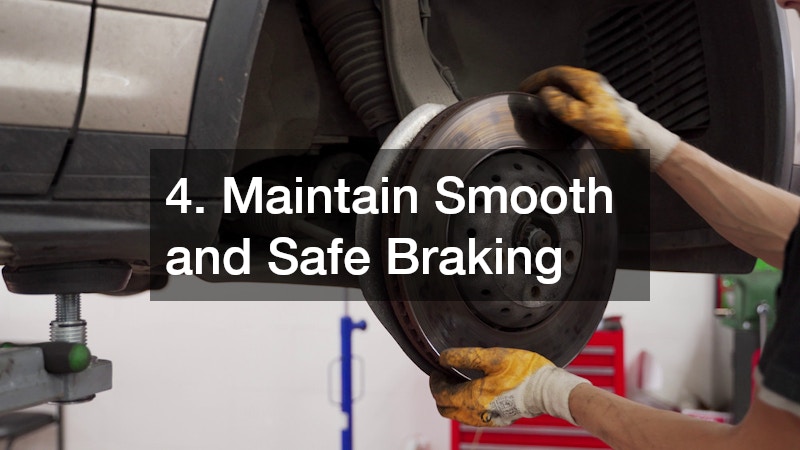
Brakes are one of the most crucial safety features of any vehicle, and their failure can have catastrophic consequences. Signs of worn brakes include unusual noises, vibration, or reduced responsiveness, all of which should be addressed immediately. Regular inspections with a local brake repair provider help ensure pads, rotors, and fluid levels are within safe operating parameters, preventing accidents and providing reassurance to anxious car owners.
Maintaining brakes is not just about safety; it also prevents costly repairs down the line. Neglecting brake maintenance can lead to damaged rotors, calipers, and other components, which may require more extensive service. Consistent attention to braking systems ensures vehicles remain reliable and reduces the stress associated with sudden failures. Understanding the braking system and knowing when to seek professional service are key steps in proactive vehicle care.
In addition to scheduled inspections, drivers can monitor braking performance between service visits. Any changes in responsiveness, unusual sounds, or dashboard alerts should be treated seriously. Worrisome car owners benefit from being vigilant about these signs, as early detection and timely service significantly reduce risks and provide peace of mind while driving.
5. Keep the Vehicle Comfortable and Protected from Sun Damage
Interior comfort is often overlooked, yet it significantly impacts driving experience and vehicle longevity. Sun exposure can fade upholstery, warp dashboards, and deteriorate plastics over time. Partnering with reputable car window tinting companies can reduce harmful UV rays, lower cabin temperatures, and protect both passengers and interior surfaces. Tinting also provides glare reduction, improving visibility and driving safety.
Comfort improvements support longer, less stressful journeys. Drivers are less fatigued when interiors are cooler and glare is minimized, which enhances concentration and reduces the likelihood of errors. Beyond comfort, protecting interiors with window tinting preserves resale value by preventing premature aging of upholstery and materials. This is particularly important for worrisome car owners who may be anxious about long-term wear and tear.
Additionally, investing in window tinting and UV protection can reduce the risk of costly repairs to dashboards, electronics, and leather or fabric surfaces. Maintaining a cool, comfortable, and well-protected interior contributes to overall vehicle preservation, enhances safety, and alleviates one of the common stress points associated with car ownership.
6. Build a Relationship With a Trusted Mechanic

A reliable auto mechanic is an invaluable partner for any car owner. Regular servicing, inspections, and early detection of issues prevent minor problems from escalating into expensive repairs. Auto repair service providers with a long-term relationship with their clients can offer tailored advice and recognize recurring patterns that may not be apparent to occasional service providers. This partnership reduces stress and ensures that vehicle maintenance is proactive rather than reactive.
Familiarity with your car’s history allows a mechanic to make informed recommendations about replacement schedules, performance upgrades, and preventative maintenance. This expertise helps keep the vehicle running smoothly and safely while minimizing unexpected failures. Worrisome car owners gain confidence knowing they have a knowledgeable professional monitoring their vehicle’s health on a consistent basis.
Additionally, building trust with a mechanic can lead to more efficient service. A mechanic who understands the vehicle’s history can diagnose problems faster, prioritize repairs based on urgency, and recommend cost-effective solutions. Over time, this relationship reduces stress, saves money, and ensures that your vehicle receives the best possible care.
7. Plan for Major Repairs Ahead of Time
Certain repairs, such as diesel transmission repair, are complex, costly, and often unavoidable over the life of a vehicle. Understanding your car’s maintenance schedule and being prepared for these expenses reduces anxiety and prevents sudden financial burdens. Planning ahead allows car owners to budget for major services, locate qualified service providers, and schedule work during less disruptive times.
Unexpected issues can create stress not only due to cost but also because of downtime. Heavy-duty repairs often require specialized tools and expertise, making immediate solutions unavailable in some areas. By planning ahead, car owners can arrange loaner vehicles or adjust schedules to minimize inconvenience. This proactive approach helps maintain daily routines and reduces the fear of unplanned emergencies.
Knowledge is key when planning major repairs. Familiarity with the service process, understanding warranties, and identifying trusted providers ensures the work is completed correctly the first time. Car owners who prepare for these scenarios experience less worry and feel confident that even complex repairs are manageable when the time comes.
8. Protect Your Vehicle With Quality Upgrades

Investing in optional upgrades can improve both safety and convenience. Upgrades like reinforced or custom glass provide additional protection against breakage or theft, while enhancing the vehicle’s structural integrity. Customization also allows car owners to tailor their vehicles to their specific needs, whether for professional use or personal preferences. Professional installation ensures these upgrades are done correctly and reliably.
Quality upgrades are not just functional; they contribute to long-term value and reduce anxiety over damage or wear. For example, stronger glass or advanced mirrors can prevent costly replacements, while ergonomic features enhance comfort during long drives. Knowing that your vehicle has been upgraded with quality components provides reassurance to anxious owners.
Upgrades also offer peace of mind through preventative measures. By selecting reputable providers and avoiding shortcuts, car owners reduce the risk of substandard parts, improper installation, or recurring issues.
9. Schedule Regular Checkups to Prevent Surprises
Routine inspections are essential to catching small issues before they become major problems. Scheduling regular visits with an auto repair service ensures that all aspects of the vehicle, from fluids and belts to lights and electronics, are checked thoroughly. A proactive approach reduces the likelihood of sudden failures and allows car owners to address minor issues before they escalate.
Communicating with your mechanic during checkups allows for tailored maintenance recommendations. This might include adjusting service intervals based on driving habits, recommending replacement parts, or identifying wear patterns that require monitoring. Regular checkups are a cornerstone of stress-free car ownership, particularly for those prone to worrying about potential failures.
Maintaining detailed records of these inspections adds another layer of security. Logs of maintenance, repairs, and upgrades help track performance over time and provide evidence of care if issues arise later.
10. Stay Ahead of Cosmetic and Functional Wear
Periodic evaluation of both exterior and functional components helps prevent small problems from turning into costly repairs. Regular checks for dents, paint chips, rust, and worn-out parts ensure the car remains visually appealing and mechanically sound. Maintaining cosmetic appearance also protects the vehicle’s resale value and prevents deterioration that can affect safety or performance.
Functional checks should include battery performance, lights, brakes, fluid levels, and tire condition. Monitoring these elements allows owners to address issues proactively rather than reactively, which reduces anxiety and avoids sudden failures. Keeping a checklist or log can help systematically track these elements over time.
Being a worrisome car owner doesn’t have to mean constant stress. By focusing on proactive maintenance, regular inspections, and addressing potential issues early, car owners can significantly reduce the likelihood of unexpected breakdowns, costly repairs, and safety concerns. Implementing these ten strategies ensures vehicles are well-maintained, reliable, and safer to drive.
Building relationships with trusted professionals, from mechanics to auto glass service providers and body shops, creates a support network that simplifies car ownership and alleviates anxiety. Planning for major repairs, upgrading key components, and monitoring both cosmetic and functional aspects provide added layers of reassurance.