
The immediate aftermath of a vehicular mishap is chaotic and overwhelming. Adrenaline surges through the body, emotions run high, and clear thinking becomes difficult for everyone involved. The primary priority during these frantic moments must always be physical safety. Drivers need to check themselves and their passengers for injuries immediately, turn on hazard lights, and move to a secure area away from active traffic if the vehicle remains drivable. Once the scene is secure, contacting emergency services ensures that medical personnel and law enforcement arrive to document the incident officially. Gathering physical evidence by taking high-resolution photographs of the vehicle positions, license plates, and road conditions is equally vital.
After addressing immediate safety concerns and exchanging basic contact details with the other motorists, attention shifts to removing the vehicle from the roadway. When a car suffers severe structural damage or mechanical disablement, attempting to drive it can cause deeper internal harm. Coordinating with law enforcement to secure professional towing services is the standard method for transferring the automobile to a secure storage lot or a preferred diagnostic facility. Choosing a certified transport provider prevents predatory operators from overcharging or holding the vehicle hostage. Drivers should also note down the specific credentials of the operator and the exact location where the vehicle will be securely held. This step eliminates confusion when coordinates are shared with adjusters later. This initial logistical step sets the tone for the entire recovery process, ensuring the asset is protected from further environmental exposure or secondary damage while plans are made for its comprehensive evaluation. Obtaining an official receipt from the driver provides a clear paper trail for future claims tracking.
Navigating the Complexities of the Claims Process

Managing the financial fallout of a collision requires a structured approach to administrative paperwork. Property damage, rental car fees, and unexpected medical expenses accumulate quickly, making transparent communication with financial entities essential. Most individuals must open an official claim with their provider as soon as the scene is cleared to report the facts accurately. Understanding policy limits, deductibles, and the differences between comprehensive and collision coverage plays a massive role in how smoothly the financial recovery unfolds. Drivers should document every conversation, note claim numbers, and retain all receipts related to their transportation expenses.
A significant aspect of this phase involves interacting with claims adjusters who evaluate the physical damage to determine repair costs. Navigating the terms of an auto insurance policy requires careful attention to detail, as insurance firms look closely at repair estimates to minimize their financial exposure. Homeowners and motorists must provide clear, factual descriptions without speculating on fault before a complete investigation occurs. Providing comprehensive documentation, including the official police report and scene photographs, helps expedite the approval process. Keeping clear digital copies of every estimate and response ensures that no critical piece of information slips through the cracks during subsequent reviews. Staying organized during this administrative phase prevents unnecessary delays, reduces emotional stress, and ensures that the financial resources needed for vehicle restoration are unlocked efficiently without unexpected out-of-pocket shortfalls.
Understanding Your Legal Protections and Advocacy
Not every vehicular incident resolves smoothly through standard insurance channels. Disagreements regarding liability, disputed facts in the police report, or stubborn pushback from third-party adjusters can stall financial recovery for months. When significant injuries are involved or when the structural damage to the automobile is extensive, navigating state laws independently often puts the motorist at a severe disadvantage. Insurance corporations employ teams of professionals dedicated to minimizing payouts, which can leave individuals facing out-of-pocket costs for problems they did not cause. Seeking professional legal guidance helps balance the playing field significantly. Clear communication remains an invaluable asset during legal proceedings.
Retaining an experienced local auto accident lawyer provides victims with an advocate who understands the specific statutes and insurance regulations governing their geographic region. These legal practitioners take over the stressful task of communicating with aggressive adjusters, gathering medical records, and interviewing witnesses to build a solid case. An attorney ensures that future medical needs, lost wages, and vehicle depreciation are fully factored into any final settlement offer. Having a legal professional analyze the fine print of insurance rules guarantees that motorists do not accidentally waive their rights to full financial restitution. Having a dedicated legal representative allows the vehicle owner to focus entirely on physical recovery and vehicle restoration, knowing that their consumer rights and financial stability are being aggressively defended through every stage of the negotiation process.
Rebuilding the Exterior and Structural Systems
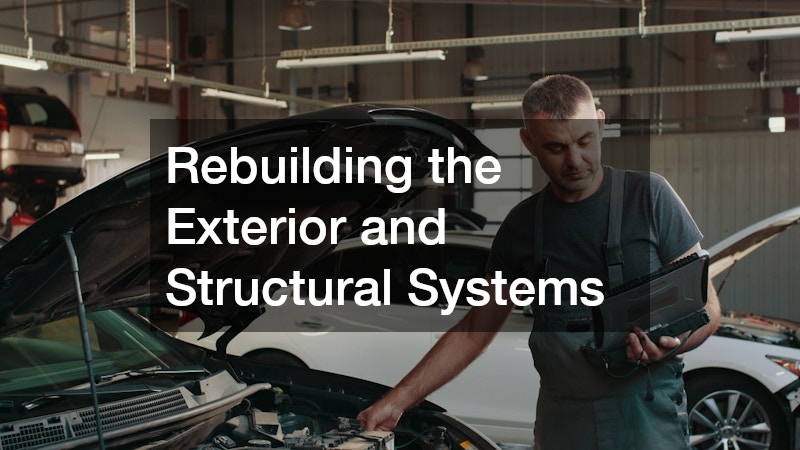
Once the administrative and legal wheels are turning steadily, attention returns to the physical state of the automobile. The impact of a crash does much more than bend external sheet metal; it compromises the built-in safety systems designed to shield passengers from harm. Professional restoration shops look past cosmetic blemishes to examine structural integrity, ensuring the vehicle can withstand future impacts safely. Choosing a facility that adheres strictly to original manufacturer guidelines is critical for maintaining long-term safety standards.
Beginning the physical rebuilding process requires an expert team capable of managing extensive collision repairs to restore the vehicle to pre-accident conditions. Technicians utilize advanced frame-straightening equipment and specialized welding techniques to ensure the structural chassis matches original factory blueprints down to the millimeter. This structural restoration is vital because warped frames alter how an automobile behaves in a subsequent accident, potentially putting occupants at risk.
Concurrently, restoring the glass components is essential for maintaining cabin strength and driver visibility. Utilizing a professional windshield replacement service guarantees that the new glass is bonded with industrial-grade adhesives. This process supports the roof structure during a rollover event and ensures that advanced driver assistance cameras mounted behind the mirror function properly. This comprehensive approach ensures that every underlying clip, bracket, and foundational support beam meets rigid safety thresholds before the vehicle is painted. Addressing both structural steel and safety glass simultaneously returns the vehicle exterior to its pristine, factory-approved state while preserving its original crashworthiness.
Ensuring Correct Steering Geometry and Handling Stability
Even when an automobile looks flawless on the outside after structural bodywork, hidden safety issues can linger underneath the chassis. The tremendous kinetic energy transferred during a collision often bends subtle suspension linkages, tie rods, and steering components. If these minor geometric deviations are left uncorrected, the vehicle will suffer from erratic handling, poor fuel efficiency, and accelerated tire degradation. Drivers might notice the vehicle pulling to one side or feel an unusual vibration through the steering wheel while traveling at highway speeds.
Addressing these underlying mechanical issues requires specialized diagnostic machinery to evaluate the position of each wheel relative to the vehicle frame. Technicians perform precise car alignments to adjust the camber, caster, and toe angles back to exact manufacturer specifications. Correcting the steering geometry ensures that the tires maintain optimal contact with the road surface, restoring the predictable handling characteristics that keep drivers safe during sudden emergency maneuvers. Regular checks during the post-wreck restoration process prevent premature wear on expensive new steering components, optimize rolling resistance for better fuel economy, and guarantee a smooth, safe ride for all occupants over the long term. Proper alignment checks also ensure that the vehicle handles predictably during sudden shifts in weather, such as heavy rain or winter ice. This calibration is an indispensable step in making the vehicle truly roadworthy again.
Diagnosing and Correcting Under-the-Hood Damage
Modern front-end impacts rarely stop at the bumper or the exterior body panels. The engine bay houses a dense network of cooling systems, electrical lines, and complex mechanical modules that are highly sensitive to sudden kinetic forces. A vehicle might look visually restored from the outside, but internal mechanical components require comprehensive diagnostic scanning and targeted mechanical intervention to prevent long-term operational issues or sudden roadside breakdowns.
When an impact pushes the radiator inward or cracks the intake manifold, specialized auto engine repair becomes necessary to preserve the core powertrain. Technicians must carefully inspect the engine block, accessory belts, and fluid lines for microscopic fractures that could cause catastrophic failures later. Choosing a comprehensive auto repair shop also ensures that secondary systems, such as the air conditioning condenser, power steering pumps, and exhaust sensors, receive identical scrutiny. Expert mechanics use computerized scanning tools to clear hidden error codes and verify that the onboard computer communicates perfectly with all mechanical components. Routine checkups during this phase often uncover minor fluid leaks or loose belts that could cause serious disruptions if left unaddressed. Addressing these internal mechanical needs alongside cosmetic work guarantees that the vehicle performs reliably, safely, and efficiently under all driving conditions.
Restoring Convenience Features and Electrical Systems
Beyond the major mechanical and structural components, contemporary automobiles rely heavily on complex electrical architectures. Wiring harnesses running along the frame rails can easily pinch during a collision, leading to mysterious electrical faults that might only appear weeks after the initial incident. Restoring a vehicle to its true pre-accident condition means verifying that all secondary electronics, comfort features, and convenience systems operate exactly as the manufacturer intended. This meticulous verification process safeguards the vehicle’s long-term resale value.
A key part of validating the electrical system involves testing integration options that enhance daily usability and comfort. For example, ensuring that an aftermarket or factory remote start system functions correctly confirms that the security bypass modules and ignition wiring remain intact. These convenience systems are highly sensitive to voltage drops and disrupted ground connections, which frequently occur during body restorations. Technicians must systematically test key fobs, proximity sensors, and automatic climate control triggers to ensure seamless operation. Ensuring that every secondary safety sensor and convenience module communicates correctly prevents frustrating dashboard warning lights from appearing unexpectedly weeks down the line. Fixing these subtle electrical details prevents unexpected battery drain issues, preserves daily driver convenience, and restores the premium, high-tech feel of the cabin for the motorist, ensuring no lingering bugs disrupt the driving experience.
Evaluating the Financial Fork in the Road
There comes a point in every major vehicle restoration journey where the owner must weigh the total cost of parts and labor against the actual market value of the automobile. If the cost to repair the mechanical, structural, and cosmetic damage approaches or exceeds the vehicle’s established value, insurance firms will officially declare the vehicle a total loss. This label forces the consumer to re-enter the automotive market unexpectedly, turning a repair project into a search for a replacement vehicle.
When faced with a totaled vehicle, exploring the market for high-quality used cars becomes the most practical path forward. Shoppers must conduct diligent research, examine detailed vehicle history reports, and secure pre-purchase inspections to avoid buying someone else’s hidden mechanical problems. Utilizing insurance settlement funds wisely allows buyers to find dependable pre-owned options that fit their budget without taking on excessive debt. Understanding vehicle depreciation and market trends helps consumers select a replacement that offers long-term reliability, structural safety, and excellent value for their hard-earned money. Making a calculated decision based on factual depreciation data prevents emotional attachment to a compromised frame from leading to poor long-term investments, ultimately turning a stressful situation into a fresh financial start with a reliable new ride.
Long-Term Maintenance and Driving Forward
Moving past an automotive accident is a multi-step process that requires patience, diligence, and collaboration with qualified professionals. By following a structured blueprint that covers emergency scene safety, legal protections, insurance management, and thorough mechanical diagnostics, vehicle owners can successfully overcome the challenges of a sudden collision. The primary goal of any restoration effort is ensuring that the vehicle remains a safe, dependable, and efficient asset for years to come.
Maintaining a comprehensive log of all post-accident repairs, component replacements, and structural certifications is essential for preserving the vehicle’s residual value and ensuring future safety. Regular follow-up appointments with trusted technicians allow for the early detection of any lingering mechanical or electrical anomalies that might emerge over time. By committing to proactive upkeep, checking fluid levels regularly, and addressing minor wear items promptly, motorists can confidently enjoy the open road once again. Establishing a routine care schedule moving forward prevents future breakdown risks. Ultimately, a structured approach to vehicle recovery ensures that the long-term investment remains sound and passengers stay fully protected against future road hazards. Transforming a chaotic roadside emergency into an organized recovery plan protects both the physical investment in the vehicle and the personal well-being of the passengers inside, ensuring absolute safety and peace of mind for every journey ahead.