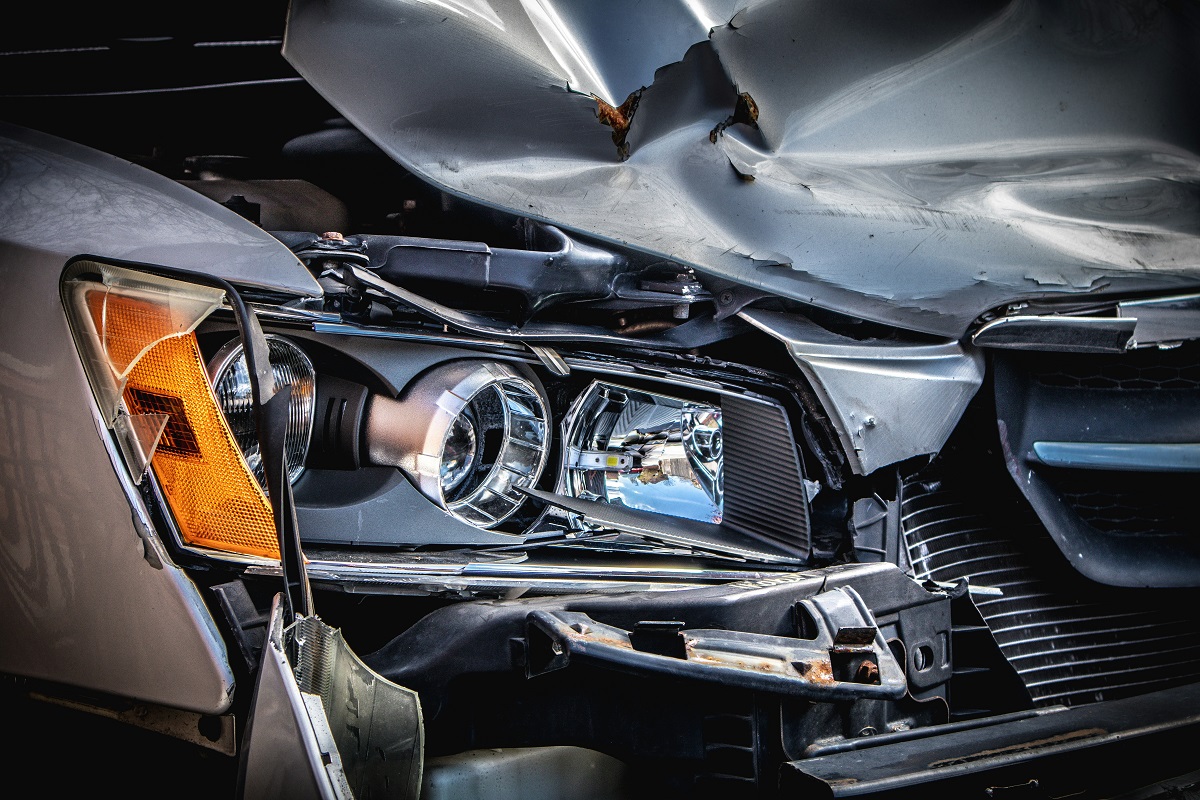

Key Takeaways
- Safety and medical attention always come before paperwork, photos, or any thoughts about resale value.
- A police report creates an official record that protects you during insurance disputes and future buyer questions.
- Thorough documentation at the scene, including photos, witness details, and other driver information, strengthens every claim you file.
- Repairs should be handled by certified shops that provide itemized invoices, since buyers will scrutinize the paperwork.
- Even perfectly repaired vehicles lose a meaningful chunk of market value, so pricing honestly is smarter than hiding history.
- Full transparency with buyers, backed by vehicle history reports, builds trust and reduces the risk of post-sale disputes.
- Timing the sale after repairs, cleaning, and documentation are complete gives you the strongest negotiating position.
The First Few Minutes Matter More Than You Think
A collision rattles your nerves and your plans at the same time. One moment you’re running errands or heading home from work, and the next you’re standing on the side of the road wondering what just happened. The choices you make in those first few minutes can shape everything that follows, from your insurance payout to the price a future buyer is willing to offer.
Most drivers don’t think about resale value in the aftermath of a crash. They’re focused on injuries, damage, and getting home. But the paper trail starts the second the vehicles collide, and gaps in that paper trail can cost you thousands later. Treating the scene like evidence from the very beginning sets you up to recover financially and sell cleanly down the road.
This guide walks through the entire process in order, step by step, so nothing slips through the cracks. Follow it closely and you’ll protect your health, your wallet, and your vehicle’s future value all at once.
Secure the Scene and Check for Injuries
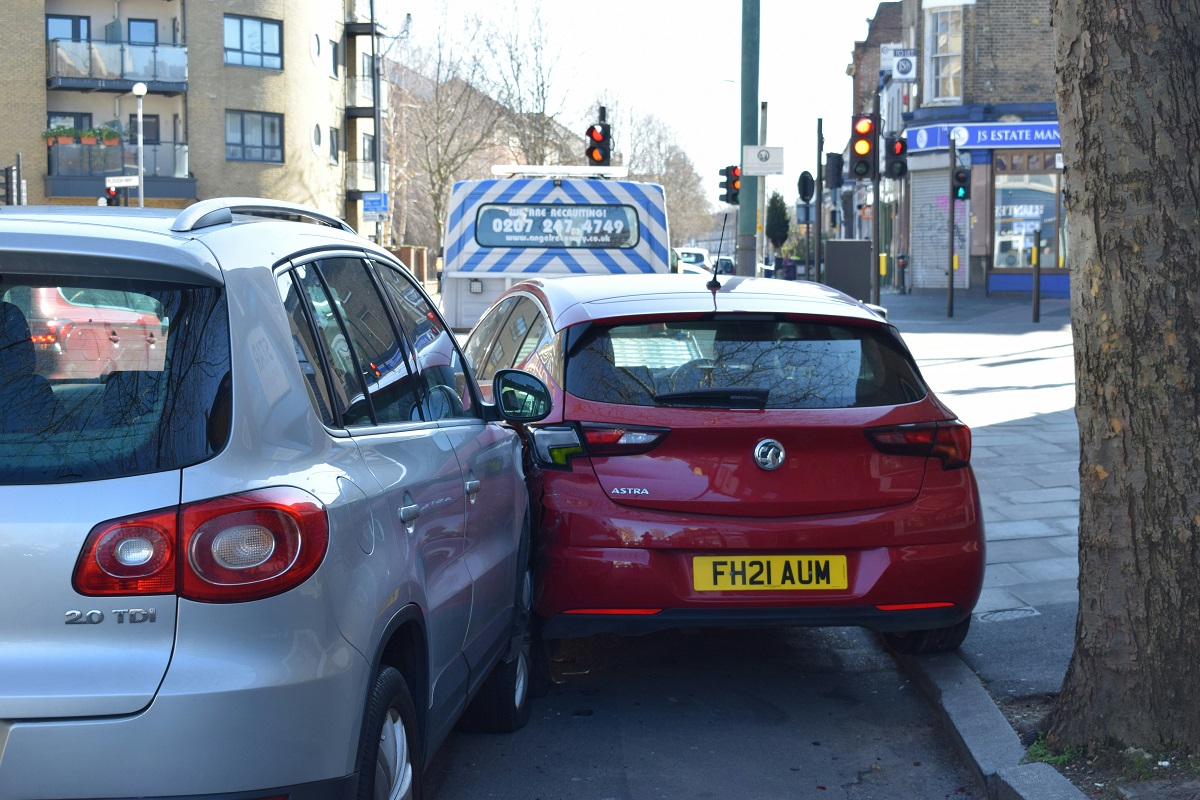
Before anything else, make sure everyone is safe. Check yourself first for pain or dizziness, then check your passengers. If anyone is hurt, call 911 immediately and avoid moving injured people unless the vehicle is on fire or in traffic.
Turn on your hazard lights. If the cars can be driven and are blocking the road, move them to the shoulder. If they can’t, stay inside with your seatbelt on until help arrives, especially on a highway where secondary collisions are a real danger.
Here’s a quick checklist to run through in those first minutes:
- Turn off the ignition and switch on hazard lights
- Check yourself and passengers for injuries
- Call 911 if anyone is hurt or there’s major damage
- Set out flares or triangles if you have them
- Keep your distance from oncoming traffic
- Avoid heated conversations with the other driver
Staying calm sounds obvious, but it genuinely changes how the next hour unfolds. Deep breaths help. So does focusing on one task at a time instead of trying to handle everything at once.
Why You Should Always Call the Police
Even for a minor fender bender, getting law enforcement involved creates a neutral third-party record. According to State Farm, you are often legally required to call law enforcement when there are injuries or notable property damage at the scene. Skipping that call can create legal headaches and insurance complications you really don’t want.
The responding officer will interview both drivers, take statements from witnesses, and file an official report. According to Liberty Mutual, a police report captures the specifics of what happened and keeps every party covered if the matter ends up in court. Insurance adjusters rely heavily on these reports when assigning fault.
Getting a Copy of the Report
Ask the officer for the report number and department name before they leave. Most agencies make reports available within a few business days, either online through a records portal or in person at the station. Grab a copy as soon as it’s ready and store it with your other accident paperwork. Future buyers may ask for it, and having it on hand builds trust fast.
Document Everything Before You Leave
Your phone is the most powerful tool you have at the scene. Photos and notes taken right away carry far more weight than anything reconstructed later, and insurance adjusters, body shops, and future buyers will all lean on this evidence when questions come up weeks or months down the road. Walk around both vehicles and shoot pictures from multiple angles, including close-ups of dents, broken glass, paint transfer, bent wheels, deployed airbags, and any fluid leaking onto the pavement. Then step back and take wide shots that show the full position of each car relative to the lanes, curbs, and intersections involved.
Capture the surroundings too. Skid marks, traffic signs, weather conditions, lighting, visible potholes, and road debris all help tell the story of how the crash unfolded. If a nearby business has security cameras pointed toward the street, make a mental note of the address so you or your insurer can request footage before it gets overwritten. If there are witnesses, politely ask for their names and phone numbers before they wander off, because they rarely stick around once the excitement fades, and tracking them down later is nearly impossible.
Make sure you also collect the following from the other driver:
- Full name and current address
- Driver’s license number
- License plate and vehicle make and model
- Insurance company name and policy number
- Phone number and email
It’s also smart to snap a quick photo of their insurance card and driver’s license rather than relying on handwritten notes, which can be misread or lost. If a police officer responds to the scene, write down the officer’s name, badge number, and the report number you’ll need to pull a copy later.
Write down your own recollection of events while it’s fresh. Note the time, direction you were traveling, your approximate speed, which traffic signals were active, and anything the other driver said, especially any admission of fault or apology. Memories blur quickly, and your own notes may become your most reliable record once the shock wears off and the details start to slip. Even a two-minute voice memo recorded in your car before you drive away can preserve details you’d otherwise forget. This kind of thorough documentation is what separates smooth claims from drawn-out disputes, and it matters even more with car accidents involving multiple vehicles or unclear fault. Knowing exactly what to do after a car accident in these early moments puts you miles ahead of drivers who only react after the fact.
Notify Your Insurer and Begin the Repair Process
Call your insurance company the same day if possible. Even if you weren’t at fault, your insurer needs to know what happened so they can advocate for you with the other party’s carrier. Have your photos, the police report number, and the other driver’s info ready when you call.
Your adjuster will walk you through the next steps, including arranging a damage inspection and recommending repair shops. You are not required to use their suggested shop, but using a certified facility with a solid reputation is wise, especially if you plan to resell the vehicle. Cheap repairs show up fast when a buyer runs an inspection.
Choosing a Repair Shop That Protects Resale Value
Look for shops certified by your vehicle’s manufacturer. They use original parts, follow factory repair procedures, and provide detailed invoices that document exactly what was fixed. Ask for a written warranty on both parts and labor. A guide on handling accident claims and repairs can help you understand what questions to ask and which red flags should steer you toward another provider.
Keep every receipt, invoice, and inspection report in one folder. When it comes time to sell, this paperwork proves the work was done properly and may soften a buyer’s concerns about hidden damage.
Understanding the Hit to Your Vehicle’s Value

Here’s the hard truth: even a perfect repair can’t fully restore market value. Buyers see a reported incident on a vehicle history report and immediately start negotiating down. This drop in value is called diminished value, and it’s real money out of your pocket.
According to BAM Injury Law, vehicles typically lose between 10% and 25% of their value once they’ve been in a crash. The exact amount depends on the severity of the damage, the car’s age, and how well the repairs were performed. Luxury and newer vehicles tend to lose more because buyers in those markets are pickier.
Other research paints an even starker picture. According to My Fair Claim, resale prices can drop by as much as 10% to 45% on average even after flawless repair work. In many states, you can file a diminished value claim against the at-fault driver’s insurance to recover part of that loss. It’s worth asking your adjuster or a local attorney whether you qualify, because car accidents often leave financial scars long after the metal has been straightened out.
Preparing Your Vehicle to Sell After Repairs
Once repairs are done, don’t rush the vehicle onto the market. Give it a proper detail inside and out. Address any lingering cosmetic issues like scratched trim or clouded headlights that remind buyers of the collision. First impressions sell cars, and a sparkling vehicle softens the sting of an accident history.
Pull a vehicle history report yourself and readit the way a buyer would. Note anything that looks confusing or incomplete, and gather supporting documents to explain each entry. If the report lists damage but your invoices show professional repair with original parts, that contrast works in your favor during negotiations.
Set a realistic price. Check comparable listings for vehicles with similar mileage and history, then adjust downward to reflect the incident. Overpricing a car with a reported crash is the fastest way to watch it sit on the market for months.
Being Upfront With Potential Buyers
Hiding the history is a losing strategy. Buyers run their own reports, and the moment they spot something you didn’t mention, the deal collapses and your credibility goes with it. Lead with the facts instead. Explain what happened, show the repair invoices, and walk them through the shop’s warranty.
Transparency actually speeds up sales. Serious buyers appreciate a seller who hands over a folder of documentation without being asked. It signals that the vehicle was cared for and that there are no surprises waiting under the hood. A few tips that help close the deal:
- Offer to meet at a trusted mechanic for a pre-purchase inspection
- Provide copies of the police report and repair invoices
- Share the vehicle history report before they ask
- Be ready to explain the diminished value in your asking price
- Keep communication quick and straightforward
Honesty costs you a little on the sticker price but saves you weeks of frustration and potential legal trouble after the sale.
Timing the Sale for Maximum Return
Patience pays. Selling the moment repairs are finished rarely gets you the best price because the incident is still fresh on records and your paperwork may not be fully organized. Give yourself a few weeks to gather everything, drive the vehicle enough to confirm the repairs hold up, and watch the local market for pricing trends.
Seasonality matters too. Convertibles and sports cars sell better in spring, while trucks and SUVs tend to move faster heading into winter. Listing at the right moment can offset some of the value loss from the collision. If you’re not in a rush, waiting for the right buyer almost always beats accepting the first lowball offer.
The Bottom Line
A collision changes the story of your vehicle, but it doesn’t have to wreck your finances or your ability to sell it later. The drivers who come out ahead are the ones who treat every step as part of a longer plan, from the first phone call to law enforcement all the way through handing over the keys to the next owner. Each piece of paperwork, each photo, and each certified repair adds up to a stronger position when it’s time to negotiate.
Resale is really about trust. Buyers want to know what they’re getting, and the more documentation you can hand over, the easier it becomes to justify your asking price. Skipping steps or cutting corners might save time in the moment, but it almost always costs more in the end. The folder of invoices, reports, and photos you build today becomes the sales pitch that convinces someone to sign tomorrow.
Take the process seriously, stay honest with yourself and your buyers, and give the vehicle the time it needs to be properly prepared. Do that, and even a car with a crash on its record can find a new owner at a fair price, leaving you ready to move on to whatever comes next.