
Vehicle ownership remains one of the most substantial financial investments most people make outside of buying a home. Between the initial purchase price, monthly financing payments, routine maintenance, unexpected mechanical failures, and necessary cosmetic protection, keeping a car on the road can quickly strain any budget. For automotive enthusiasts and daily commuters alike, the urge to upgrade performance, preserve appearance, and ensure rock-solid reliability often collides directly with reality.
Managing automotive expenses does not require cutting corners on safety or settling for subpar components. Instead, it comes down to adopting a strategic approach to vehicle management. By understanding how service pricing works, identifying when to delegate tasks to accredited specialists, and timing modifications carefully, drivers can drastically reduce ownership costs over time.
This comprehensive guide breaks down actionable strategies across five key areas of vehicle ownership: foundational mechanical servicing, navigating precision engineering options, protecting automotive glass, preserving cosmetic finish, and managing aftermarket modifications safely and affordably.
1. Navigating Routine Upkeep to Prevent Major Financial Surprises
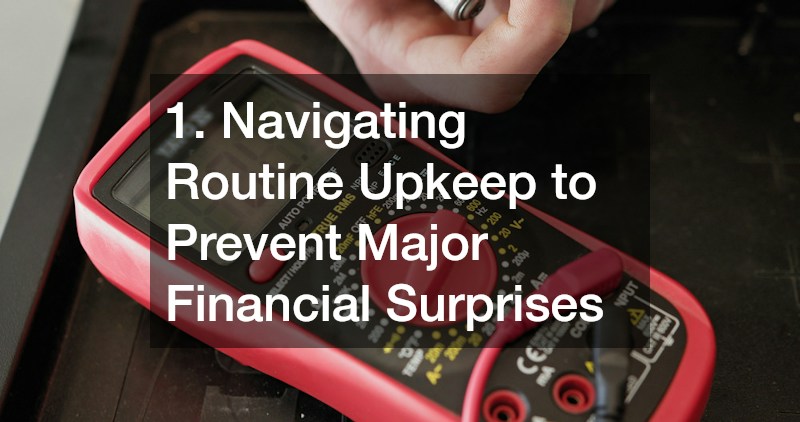
The most effective way to minimize vehicle costs is to transition from a reactive mindset—fixing components only after they fail—to a disciplined, proactive maintenance approach. Major mechanical breakdowns rarely happen without warning. In most cases, severe failure stems from smaller wear items that were overlooked during routine ownership. Addressing routine wear early prevents minor issues from compounding into expensive overhauls.
Establish a Multi-Point Inspection Routine to Catch Small Issues Early
Modern vehicles depend on tightly integrated mechanical and electronic systems. A minor failure in one component often creates a domino effect throughout the vehicle. For example, an undetected torn CV axle boot will allow dirt and grit to contaminate the joint, eventually destroying the axle assembly and potentially damaging the wheel bearing or transmission seals.
To prevent these compounding failures, establish a quarterly inspection protocol:
- Fluid Dynamics: Regularly check engine oil, transmission fluid, coolant, power steering fluid, and brake fluid levels. Look for changes in color, clarity, or texture, which signal fluid degradation or internal contamination.
- Underbody Inspections: Periodically inspect steering linkages, suspension bushings, drive belts, and rubber boots for cracks, tears, or dry rot.
- Brake Wear: Inspect brake pad thickness through the wheel spokes. Replacing worn brake pads before they wear down to the metal backing plate saves the cost of replacing damaged brake rotors.
- Tire Health: Monitor tread depth and check for uneven wear patterns. Uneven wear often indicates alignment issues or worn suspension components that need immediate attention.
Developing a strong relationship with an experienced auto mechanic provides an invaluable line of defense. A skilled technician can spot early signs of wear during routine oil changes, alerting you to necessary maintenance long before it turns into an emergency on the highway.
Bundle Preventive Service Tasks to Lower Overall Shop Labor Costs
Labor rates account for a significant portion of any repair bill. When a vehicle enters a repair facility, shops charge based on flat-rate labor estimates calculated by the time required to disassemble components and access the target area. Performing related repairs during a single service visit eliminates redundant labor charges.
If your vehicle requires a timing belt replacement, the technician must strip away front engine covers, accessory belts, and pulleys to reach the belt. The water pump, thermostat, and front crankshaft seals sit directly behind this assembly. While the old water pump may still function, replacing it at the same time adds negligible labor cost compared to paying for a second tear-down if that pump fails six months later.
Planning and bundling secondary component replacements during major service appointments allows you to minimize total labor hours. This approach is equally effective when scheduling standard auto repairs, such as replacing suspension struts along with control arm bushings or fitting new brake rotors when installing new pads.
Track Factory Service Intervals to Avoid Over-Servicing Your Vehicle
Dealerships and quick-lube chains often propose generic service schedules that do not align with manufacturer recommendations. Recommending fluid flushes every 15,000 miles when the factory owner’s manual calls for 45,000-mile intervals generates unnecessary expense without adding performance or lifespan benefits.
Keep a binder or digital log containing your vehicle’s factory service manual and service records. Compare recommended service intervals against the specific driving conditions your vehicle undergoes daily. Most manufacturers define two distinct maintenance schedules: “Normal” and “Severe.”
- Normal Driving Conditions: Long highway trips at steady speeds on clean roads, with moderate ambient temperatures.
- Severe Driving Conditions: Stop-and-go city traffic, short trips under five miles, frequent idling, driving in sub-zero or extreme heat, or towing trailers.
If your driving matches the “Severe” profile, adjust maintenance schedules to mirror those factory specifications, rather than relying on arbitrary intervals suggested by service advisors selling add-on maintenance packages.
2. Choosing the Right Service Provider for Specialized Engineering
Precision-engineered vehicles, particularly European luxury brands, feature specialized mechanical layouts, sensitive electronic networks, and tight manufacturing tolerances. Servicing these vehicles requires specific diagnostic software and purpose-built tools. Drivers often assume that dealership service departments are the only option for complex platforms, paying premium prices for labor and marked-up OEM components.
Compare Independent European Specialists Against Dealership Pricing
Franchise dealerships carry massive overhead costs, from multi-million-dollar showrooms to loaner vehicle fleets. These costs directly inflate labor rates, which can easily exceed double the hourly rate of independent service centers.
Independent repair facilities specializing in European engineering invest in the same dealer-level diagnostic hardware and technical training without the corporate overhead. When dealing with specialized platforms that require meticulous attention—such as factory diagnostic scans, multi-vanos timing adjustments, or complex electrical troubleshooting typical of BMW repair—an independent specialist delivers expert workmanship at significantly lower labor rates.
Evaluate Shop Warranties and Service Certifications in Your Area
Lower hourly labor rates should never come at the expense of technician competence or consumer protection. When searching for a reliable local auto repair shop, systematically evaluate their credentials before dropping off your keys:
- ASE Certification: Look for technicians certified by the National Institute for Automotive Service Excellence. Master Technicians have passed rigorous exams across multiple systems and proven relevant hands-on experience.
- Shop Warranties: Reputable independent facilities back their work with nationwide warranties, typically covering parts and labor for 24 months or 24,000 miles. Avoid facilities that offer less than a 12-month/12,000-mile safety net.
- Tooling and Software: Confirm that the shop subscribes to up-to-date diagnostic platforms (such as Mitchell 1, ALLDATA, or factory-specific software) rather than generic code readers.
Finding a transparent, well-equipped shop that treats maintenance as a collaborative process builds a long-term partnership that helps protect both your vehicle and your wallet.
3. Protecting Windows, Cabin Comfort, and Glass Integrity

Automotive glass plays a crucial role in structural safety, thermal management, and driver visibility. Modern windshields host advanced driver-assistance systems (ADAS), including lane-departure warning cameras, automatic emergency braking sensors, and rain detectors. Damage to automotive glass involves more than replacing a sheet of laminated material—it often requires recalibrating delicate electronic systems.
Fix Minor Windshield Chips Before Full Replacement Becomes Necessary
A small rock chip or star fracture might seem like a minor cosmetic annoyance, but temperature changes, road vibration, and body flex can quickly turn a minor chip into a crack spanning the entire windshield. Once a crack extends into the driver’s line of sight or reaches the outer edge of the glass, a complete replacement becomes unavoidable.
Select Carbon or Ceramic Solar Films to Reduce Long-Term Interior Wear
Window film is one of the most cost-effective upgrades for preserving a vehicle’s cabin and lowering operational costs. Standard dyed window tinting offers privacy, but it degrades quickly under heat and provides minimal thermal protection. Upgrading to advanced carbon or ceramic films delivers long-term financial benefits that extend far beyond aesthetics.
Installing high-grade auto glass tint blocks up to 99% of harmful ultraviolet rays and significantly reduces solar infrared heat entering the cabin. Lower interior temperatures reduce the load on your air conditioning system, improving fuel economy during summer months. Additionally, blocking UV exposure prevents dashboard vinyl from cracking, keeps leather upholstery supple, and protects interior electronics from heat damage—helping preserve your vehicle’s resale value over time.
Review Comprehensive Insurance Deductibles for Glass Coverage
Glass damage often falls under the comprehensive section of auto insurance policies rather than collision coverage. Many drivers carry a standard $500 or $1,000 comprehensive deductible, making small glass claims impractical to file out of pocket.
Review your auto insurance agency policy options annually. Many insurers offer a full glass replacement endorsement for a minimal monthly premium increase. Adding this coverage eliminates out-of-pocket expenses when a full windshield replacement is necessary, ensuring that complex ADAS camera recalibrations are fully covered without unexpected costs. You may need auto glass repair services.
4. Preserving Exterior Aesthetics and Resale Value
Maintaining a vehicle’s exterior finish is about more than pride of ownership—it plays a direct role in preserving long-term resale and trade-in value. Environmental contaminants like road salt, bird droppings, tree sap, UV rays, and industrial fallout constantly attack clear coats, causing oxidation, corrosion, and paint failure.
Proactive cosmetic care protects clear coat integrity, preventing expensive body shop repainting later in the vehicle’s lifespan.
Apply Ceramic Coatings or Paint Sealants to Protect Factory Clear Coat
Traditional carnauba waxes provide short-term gloss, but they break down rapidly under heat, sunlight, and detergent washes, often lasting less than two months. Upgrading to synthetic polymer paint sealants or modern SiO2 ceramic coatings provides a durable protective barrier over the clear coat.
Leverage Paintless Dent Repair for Minor Parking Lot Dings
Parking lot dings, hail damage, and minor body creases happen to almost every daily driver. Traditional body repairs require filling damage with body filler, sanding down original paint, and spraying new color and clear coat across multiple panels to match the finish—an expensive process that can lower resale value if the color match is slightly off.
Working with a facility that offers specialized local auto collision repairs for minor body damage allows you to take advantage of Paintless Dent Repair (PDR). Skilled technicians use specialized metal rods to massage dents out from behind the panel, restoring the metal without disturbing the factory paint. PDR costs a fraction of traditional bodywork, preserves original factory paint, and can usually be completed in a single day.
Adopt Safe Wash Practices to Eliminate Swirl Marks and Paint Damage
Automated drive-through car washes equipped with stiff nylon brushes cause fine scratches and swirl marks in clear coat finishes. Over time, these fine scratches dull the paint, requiring expensive multi-stage machine polishing to restore depth and clarity.
5. Budgeting for Modifications and Structural Enhancements
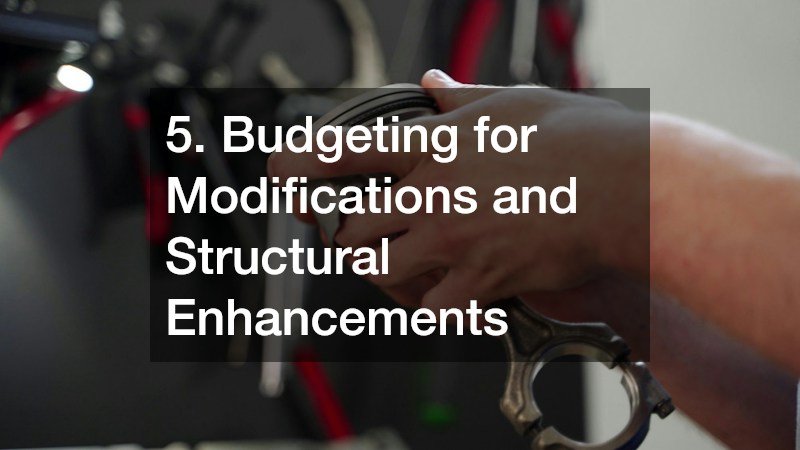
Customizing a vehicle’s performance, exhaust tone, or stance allows owners to tailor a car to their personal preferences. However, aftermarket modifications can quickly turn into a financial pitfall if components are chosen poorly, installed incorrectly, or fail to deliver real performance gains.
Approaching modifications methodically helps ensure you get a solid return on investment while avoiding unexpected reliability issues.
Plan Modular Upgrades to Spread Fabrication Costs Over Time
Rushing into extensive modifications without a clear plan often leads to mismatched parts, reliability issues, and wasted money. A far smarter approach is to break modifications down into modular phases, completing upgrades in a logical sequence that spreads costs out over time.
When building custom exhaust headers, structural roll cages, or intake piping, partner with an established custom car performance fabrication facility. Expert fabricators can help plan your build in functional stages, ensuring each custom component fits seamlessly with future upgrades and preventing costly rework down the road.
Notify Policy Providers About Aftermarket Upgrades to Protect Your Investment
A common mistake enthusiasts make is investing thousands of dollars in aftermarket upgrades without updating their vehicle insurance coverage. Standard auto policies only cover the vehicle’s factory equipment value. If your vehicle is stolen or involved in a collision, the insurer will settle claims based on standard market value, leaving custom wheels, upgraded suspensions, and custom fabrication completely uncompensated.
Document every modification with detailed receipts, installation records, and clear photographs. Keeping organized records ensures your financial investment remains protected if you ever need to file an insurance claim.
Using This Guide to Manage Vehicle Costs
Managing vehicle ownership costs requires finding the right balance between proactive maintenance, smart component sourcing, and choosing qualified service specialists. By shifting focus from quick emergency fixes to long-term preventive care, you can preserve your vehicle’s safety, performance, and resale value while keeping overall ownership costs under control.
Taking a disciplined, proactive approach to vehicle care keeps your car running reliably, looking great, and delivering maximum enjoyment for every dollar spent. Whether it’s auto repairs or auto detailing, knowing who to call will be important.