
The moments immediately following an auto accident are chaotic and stressful. From minor fender benders to major highway collisions, drivers must make quick decisions to protect personal safety and vehicle value. Knowing what steps to take during those first minutes sets a clear path for physical recovery and vehicle restoration.
Driver and passenger safety remains the top priority. If the vehicle is operational and in active traffic, moving it to a shoulder or nearby parking lot reduces secondary crash risks. Turning on hazard lights alerts oncoming traffic. Once parked safely, checking every passenger for injuries is the immediate next step. Even if an impact feels minor, human bodies absorb significant physical force during a collision. Calling emergency responders ensures medical professionals and police officers arrive quickly to evaluate injuries and secure the roadway.
While waiting for officers to arrive, documenting every detail of the accident location proves invaluable later in the recovery process. Taking clear photographs from multiple angles provides objective evidence of how the crash occurred. Capturing wide shots of the scene, close-ups of damage, skid marks, weather conditions, and traffic signs builds an accurate record. Exchanging contact and driver license information with other parties is essential, but drivers should refrain from discussing fault at the scene. Stick strictly to facts when speaking with officers so that the official crash report accurately reflects what happened.
Many modern vehicles equipped with advanced safety features may require immediate dispatch of specialized support services. Utilizing driver emergency coverage or subscription services simplifies getting help to the site. Having access to reliable roadside assist programs provides peace of mind when stranded beside a busy road, as dispatched professionals help secure the scene and evaluate whether the car can be driven safely or must be hauled away. Taking these proactive measures calms initial chaos and protects human life.
Securing Professional Vehicle Transport
Once emergency responders complete their on-site duties, deciding how to transport a disabled vehicle becomes the primary task. Driving a damaged vehicle can turn minor repairs into costly overhauls or compromise safety. Steering alignment issues, leaking fluids, compromised braking systems, or bent suspension components mean the car must be moved using professional heavy equipment.
Selecting a qualified transport provider is essential for preventing additional damage to the vehicle. Drivers should verify that the operator utilizes modern flatbed haulers rather than traditional hook-and-chain trucks whenever possible. Flatbed transport elevates the entire vehicle off the pavement, protecting the drivetrain, bumper covers, and lower body work from scrape damage during transit. Confirm where the vehicle will be delivered before loading begins. Transporting the vehicle directly to a secure storage facility or trusted repair shop avoids unnecessary secondary transport fees.
When the transport vehicle arrives, drivers should double-check operator credentials. Reputable drivers willingly provide identification, clear cost estimates, and official documentation before hooking up any vehicle. Beware of unsolicited drivers who show up at an accident scene without being called, as unverified operators may charge exorbitant storage fees or haul vehicles to unauthorized holding yards. Relying on a licensed towing service guarantees that the vehicle is handled with professional care and delivered safely to its designated destination.
During loading, the vehicle owner should take a final sweep of the cabin and trunk to remove personal valuables, financial documents, and electronics. Securing these items prevents loss while the car sits in a repair yard during assessment. Clear communication with the transport company regarding delivery confirmation numbers gives owners peace of mind as they transition to managing insurance claims.
Navigating Claims and Financial Documentation
With the vehicle delivered to a repair shop, attention shifts toward managing the financial and administrative details. Initiating a claim promptly helps accelerate the timeline for vehicle assessment, parts ordering, and repair authorization. Most insurers offer mobile apps allowing policyholders to upload scene photos, police reports, and driver info directly.
When filing the initial claim, clarity and precision are essential. Provide the representative with a factual account of the accident, including time, location, weather conditions, and third-party information collected at the scene. Avoid speculating about damages that are not immediately visible, as technical teardowns often reveal hidden frame or suspension damage later in the evaluation. The claims adjuster will review submitted details, establish a file, and assign an appraiser to perform a detailed physical evaluation.
Understanding policy rights empowers vehicle owners throughout the claims workflow. Many drivers assume they must use specific corporate repair chains suggested by policy providers. However, state regulations generally grant consumers the right to select whichever repair facility they trust to perform the work. Working alongside a responsive local insurance company ensures clear lines of communication, straightforward deductible processing, and local accountability throughout the repair duration. Agents grounded in the community often provide personalized guidance, helping policyholders understand loaner vehicle allowances, OEM parts clauses, and claim timelines.
Keep a dedicated file containing all claim numbers, adjuster contact details, written estimates, and receipts for out-of-pocket costs such as car rentals. Maintaining organized records prevents miscommunication between adjusters and repair technicians, ensuring all necessary repairs receive proper financial authorization before work begins.
Structural and Collision Body Restoration
After insurance adjusters complete their initial assessment, the vehicle moves into the structural repair phase. Modern cars use unibody frames designed to crumple predictably, absorbing energy away from the passenger cabin. Restoring structural integrity requires specialized heavy machinery, precision laser measuring tools, and expert craftsmanship.
The repair process begins with a comprehensive disassembly, often called a teardown. Technicians remove damaged outer panels, bumpers, and trim pieces to inspect underlying frame rails, strut towers, and safety cages. Computerized measuring systems compare current frame dimensions against factory blueprints down to the millimeter. Hydraulic pulling equipment then applies controlled tension to realign shifted frame components back to factory specifications. Ensuring precise alignment is important, as even a minor frame deviation can cause uneven tire wear, poor handling, and compromised safety in future collisions.
Once structural alignment is restored, technicians turn their attention to exterior panel replacement or metal straightening. Advanced welding techniques, structural adhesives, and dent repair methods are used to reshape doors, fenders, hoods, and quarter panels. Modern vehicles also incorporate safety sensors, radar units, and cameras built into bumpers and side mirrors. Re-calibrating these advanced driver assistance systems guarantees that features like automatic emergency braking and lane departure warnings operate flawlessly once repairs conclude.
Choosing an accredited auto body shop with certified technicians ensures that all structural welding, panel fitting, and computer diagnostics adhere strictly to factory safety guidelines. Skilled repair centers prioritize high-quality replacement parts, rigorous quality controls, and factory-matched paint application. Using computerized paint mixers and climate-controlled spray booths, painters apply multi-stage primers, base coats, and clear coats to match original factory colors, hiding any sign of past impact.
Mechanical Diagnostics and Powertrain Overhauls
While structural repairs restore the outer shell, mechanical systems beneath the hood often require equal attention following an impact. Front-end collisions routinely damage radiators, air conditioning condensers, power steering racks, and engine mounts. Even if a vehicle appears cosmetically sound, underlying mechanical failures can lead to severe engine overheating, fluid leaks, or sudden breakdown if left unaddressed during collision recovery.
A complete mechanical diagnostic scan identifies hidden electronic fault codes, sensor failures, and mechanical misalignment caused by physical shock. Technicians inspect drive belts, cooling hoses, intake manifolds, and exhaust headers for hairline fractures or fluid seepage. In cases involving heavy impacts, internal components like crankshafts, valvetrains, or transmission housings may sustain stress cracks. Performing comprehensive engine repair early prevents compounding damage and ensures the vehicle runs reliably after leaving the shop.
For owners of heavy-duty pickup trucks, commercial vans, or work rigs, collision impacts present unique mechanical challenges. High-compression engines, turbocharger assemblies, intercoolers, and complex exhaust gas recirculation systems require specialized expertise to diagnose and rebuild correctly after an accident. Engaging certified diesel engine mechanic services ensures that high-pressure fuel lines, glow plugs, diesel particulate filters, and turbo housings receive thorough inspection and precise recalibration. Specialized technicians understand how impact forces affect heavy-duty drivetrains, preserving torque performance and towing capacity.
Before mechanical work is finalized, technicians perform pressure testing on cooling systems, recharge air conditioning circuits, and verify that all electronic control modules communicate properly. Thorough road testing under varying driving conditions verifies that operating temperatures remain stable and powertrain performance matches pre-crash standards.
Wheel Assemblies, Tires, and Cargo Protection
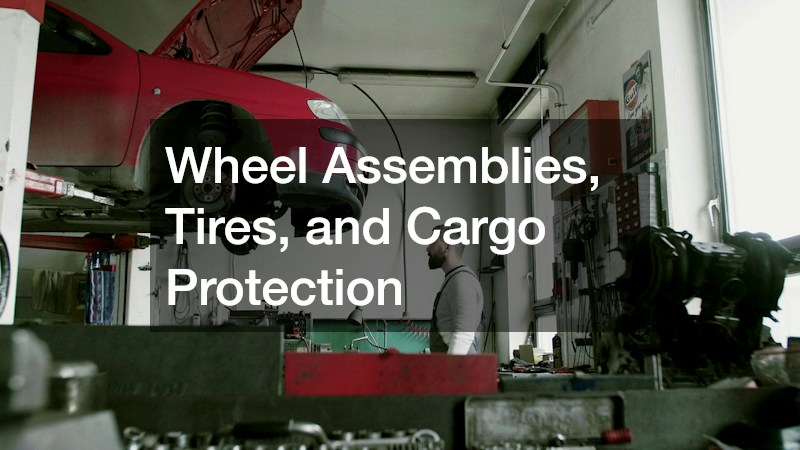
Impact forces transfer directly through wheels, suspension, and bed structures. Potholes, curb strikes, or direct side impacts can bend steel or alloy wheels, crack wheel bearings, and tear internal tire cords. Driving on compromised rubber or bent rims jeopardizes vehicle handling, braking efficiency, and blowout resistance.
During post-impact inspection, suspension technicians examine control arms, tie rods, ball joints, and shock absorbers for subtle bends or fractures. Even if a tire retains air pressure, hidden structural belts inside the rubber may be ruptured, creating dangerous sidewall bulges. Mounting fresh rubber and performing a digital four-wheel alignment restores proper steering tracking and even tread contact with the road. Vehicle owners searching for high-quality tires for sale should select options that match original load ratings, speed specifications, and seasonal driving requirements to maintain optimal vehicle dynamics.
For truck owners, collision recovery often extends to rear bed utility accessories that protect valuable cargo and equipment. Rear impacts or frame twists can warp pickup bed rails, misalign tailgate latches, or crack protective bed covers. Restoring functional utility means realigning bed channels, repairing latching mechanisms, and replacing damaged hardware. Installing a durable truck bed cover protects sensitive cargo from rain, dust, and theft while improving aerodynamic efficiency on highway drives.
Careful attention to these secondary components guarantees that the vehicle functions as a cohesive unit. Whether replacing damaged alloy wheels or reinstalling cargo accessories, addressing every physical system ensures that safety, utility, and driving comfort are fully restored prior to final detailing.
Glass Restoration and Final Detailing Touch
With mechanical components calibrated and structural panels painted, vehicle restoration moves toward fine glass replacement and cosmetic refinement. Collisions often cause fine cracks, stone chips, or stress fractures across windshields and side glass. Beyond clear visibility, automotive glass provides structural support during rollovers and aids airbag deployment.
Replacing damaged automotive glass requires precise installation using high-grade urethane sealants to guarantee a weather-tight bond. Once fresh glass is installed, restoring privacy and solar heat protection becomes the next priority. Enlisting professional car window tinting services allows vehicle owners to match replacement glass shading to existing windows or upgrade to advanced ceramic films. Quality window films block harmful ultraviolet rays, reduce cabin heat buildup, and protect interior upholstery from premature fading, while adding a sleek appearance to the vehicle exterior.
The final phase of collision recovery involves deep cosmetic cleaning and paint correction to eliminate repair dust, overspray, and transport grime. Professional auto detailers perform multi-stage exterior hand washes, chemical decontamination treatments, and clay bar applications to leave paint surfaces pristine. Skilled detailers use rotary polishers and compounding formulas to eliminate fine swirl marks, blend newly painted panels smoothly with original finishes, and apply durable wax or ceramic coatings for long-lasting protection.
Inside the cabin, detailers perform thorough steam cleaning, vacuuming, and leather conditioning to remove glass fragments, body shop dust, and chemical odors. Restoring the interior environment ensures that vehicle owners step into a clean, fresh, and welcoming cabin that feels like new.
Final Inspection and Returning to the Road
The journey from crash site recovery to complete vehicle restoration culminates in a thorough final inspection and test drive. Vehicle owners should perform a walk-around inspection alongside repair managers before taking final delivery. Checking paint finish under bright light, testing door and tailgate latches, verifying electronic window controls, and inspecting interior cleanliness ensures all contracted work meets high standards.
Taking the vehicle on a brief test drive allows owners to evaluate steering wheel centering, engine responsiveness, braking smoothness, and cabin noise levels. Listening for unusual rattles or vibrations helps catch minor adjustments early before heading home. Reviewing repair invoices, parts documentation, and warranty guarantees provides added confidence in the longevity of the repairs.
Maintaining detailed records of all repairs, work orders, and parts replacements preserves vehicle resale value. Documenting that repairs were performed by certified professionals reassures future buyers of vehicle integrity and safety. Following a structured recovery plan transforms a stressful collision event into a smooth restoration process, returning drivers to the road with total confidence.