

Key Takeaways
- Insurance premiums often become the single largest recurring expense beyond the vehicle purchase, outpacing fuel in many budgets
- Depreciation silently drains thousands from your wallet during the first five years, especially for new vehicles driven off the lot
- Routine maintenance and repair bills have climbed sharply in recent years, making service budgets harder to predict
- Financing charges, taxes, and registration fees add substantial weight to monthly transportation spending that buyers routinely underestimate
- Fuel efficiency ratings only tell part of the story; driving habits and local gas prices create wide swings in actual spending
- Choosing between new, used, leased, or certified pre-owned vehicles reshapes the long-term financial picture more than the sticker price suggests
- Smart planning, comparison shopping on insurance, and preventive maintenance can meaningfully shrink your true annual outlay
Why the Price on the Window Is Only the Beginning
Walk onto any dealer lot and the number plastered across the windshield feels like the whole story. It isn’t. That figure is the opening line of a much longer financial conversation, one that stretches across years and quietly reshapes your monthly budget in ways most buyers never see coming.
Shoppers tend to focus on the monthly payment and little else. But the true weight of owning a vehicle shows up in insurance renewals, surprise repair invoices, tire replacements, and the slow bleed of depreciation. Compare two cars with the same sticker price and the gap in long-term expense can easily reach five figures over a decade of driving.
Understanding where the money actually goes helps you shop smarter, negotiate harder, and avoid the painful surprise of realizing your “affordable” car was never really affordable at all. Let’s break down the categories that matter most and weigh how different ownership choices stack up.
How Much Does Driving Really Set You Back Each Year?

The headline figure most buyers chase is the monthly payment, but the full picture is far broader. According to AAA, the average annual cost to own and operate a new vehicle has climbed to $12,863, which works out to just over a thousand dollars every single month. That number blends fuel, finance charges, insurance, depreciation, and upkeep into one sobering total. For context, that’s more than many Americans spend on groceries, utilities, or even rent in some parts of the country. When you stack car ownership costs against other major line items in a household budget, driving quietly becomes one of the single largest recurring expenses most families carry.
Compare that to what most households budget. Many drivers assume they’re spending somewhere between $400 and $600 a month, counting only the loan payment and gas. The reality nearly doubles that estimate. The gap between perception and truth is where financial stress builds up unnoticed. A driver who believes they’re spending $500 a month but is actually hemorrhaging $1,070 is losing more than $6,800 a year to costs they never planned for. Over a typical five-year loan term, that blind spot can quietly swallow $34,000 or more — enough to fund a down payment on a home, erase credit card debt, or seed a retirement account.
Breaking the yearly total into categories makes it easier to see where the leaks are:
- Depreciation on a new vehicle, which can wipe out 20% of the car’s value in the first twelve months alone
- Full coverage insurance premiums, which have surged by double digits in many states over the past few years
- Fuel at current pump prices, with costs that swing wildly based on commute length, vehicle efficiency, and regional gas taxes
- Scheduled maintenance and unexpected repairs, from routine oil changes to surprise transmission work
- Loan interest and financing fees, especially punishing on longer 72- or 84-month terms
- Registration, taxes, and licensing, which vary dramatically from state to state and often climb with the vehicle’s value
Each of these moves independently, meaning a bad year in one category can throw your whole budget off balance. An insurance renewal that jumps $400, a repair bill that lands at $1,500, or a spike in fuel prices during a long commute week can each turn an already tight month into a crisis. Understanding the hidden costs of car ownership starts with recognizing that these categories are not static line items — they’re moving targets that demand ongoing attention rather than a one-time calculation at the dealership.
Insurance, Taxes, and the Paperwork Pile
Insurance is where many drivers get blindsided. According to Bankrate, full coverage car insurance stands as the largest hidden expense nationally, running about $2,679 per year or roughly $223 per month as of August 2025. That’s before you factor in deductibles, roadside assistance add-ons, or gap coverage on a financed vehicle.
Taxes and registration add another layer. Sales tax at purchase can tack thousands onto the final bill, and annual registration fees vary wildly depending on where you live. Some states calculate those fees based on vehicle value, which means newer and more expensive cars keep paying premium rates year after year.
What Changes When You Compare Coverage Levels?
Choosing between minimum liability and full coverage reshapes your budget considerably. Liability-only policies can run less than half the cost of full coverage, but they leave you exposed if your vehicle is damaged, stolen, or totaled. Drivers with older paid-off cars sometimes make the switch to save money, while those with newer financed vehicles rarely have that choice because lenders require comprehensive protection until the loan is cleared.
The Lesser-Known Expenses That Catch Drivers Off Guard
When people talk about the hidden costs of car ownership, they usually mean the expenses that don’t show up on any purchase paperwork. Parking fees in urban areas, tolls on daily commutes, car washes, interior detailing, and the occasional parking ticket all add up faster than anyone expects. None of them seem significant in isolation. Together they can add hundreds or even thousands to annual spending.
Then there are the practical additions nobody mentions at the dealership. Floor mats, cargo organizers, phone mounts, dash cams, and winter tires are rarely optional for long. Most owners end up purchasing several of these within the first year.
Consider the smaller line items that quietly drain accounts:
- Monthly parking permits or garage fees
- Toll road charges and transponder fees
- Emissions testing and inspection costs
- Replacement wiper blades, cabin filters, and fluids
- Interior cleaning supplies or professional detailing
- Roadside assistance subscriptions
Keeping a running log of these smaller purchases for even a few months reveals patterns most drivers would rather not confront.
Depreciation and Repairs: The Silent Wallet Drainers
Depreciation is the quietest expense in the entire ownership experience. You don’t write a check for it, but it shows up every time you check your car’s resale value. A new vehicle typically loses twenty to thirty percent of its value within the first year and roughly half its value by the end of year five. For a $35,000 purchase, that’s about $17,500 evaporating before you’ve finished paying off the loan.
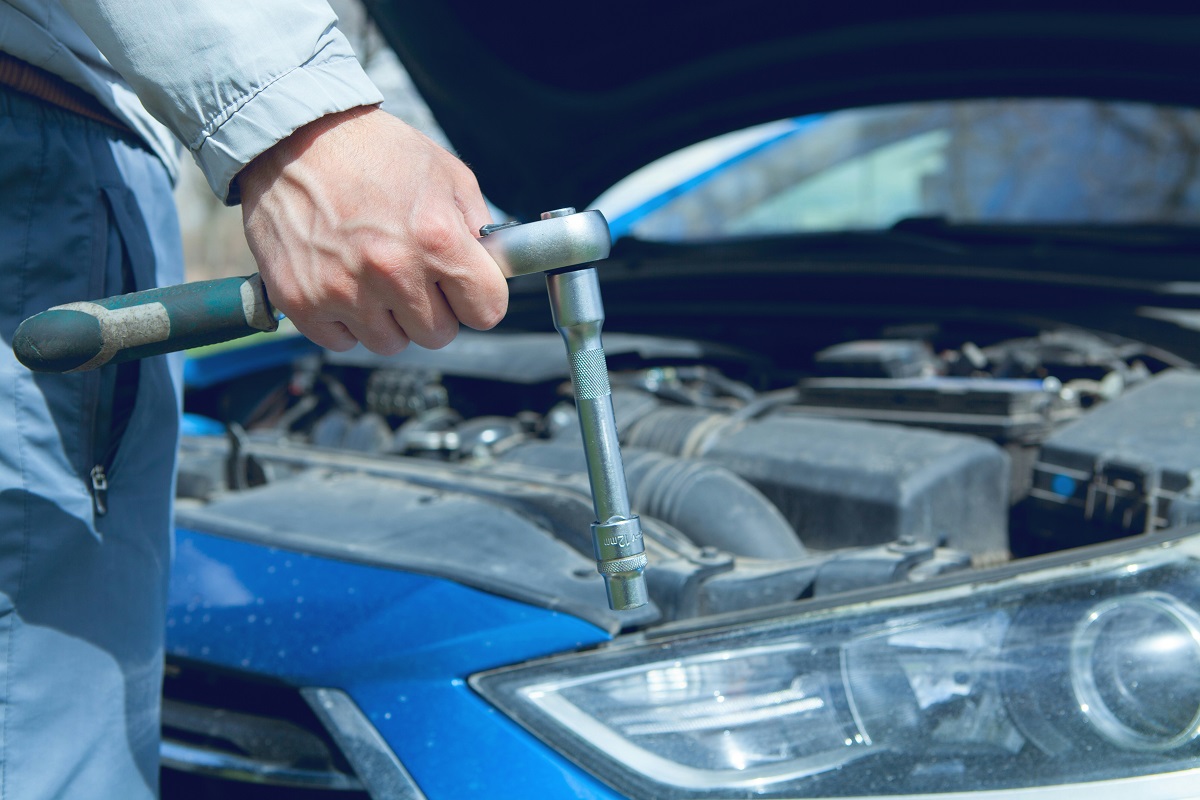
Repair costs are climbing too. According to the Bureau of Labor Statistics data cited by KVIA, maintenance and repair prices rose 4.9 percent between January 2025 and January 2026. That increase compounds on top of parts shortages, labor rate hikes, and the growing complexity of modern vehicles packed with sensors and electronics.
Looking back further paints an even starker picture. According to Lease Maturity Services, average vehicle repair and maintenance expenses jumped 43.6 percent from January 2019 to January 2025, climbing from around $291 to $419 based on Cars.com’s analysis. Budgeting what worked five years ago simply doesn’t cut it anymore, and anyone serious about managing upgrade costs needs to revisit their numbers regularly rather than relying on outdated assumptions.
How Do Repair Bills Differ by Vehicle Type?
Luxury badges and performance models typically carry higher parts prices, specialized labor rates, and longer wait times for service. Mainstream brands often enjoy cheaper parts and broader mechanic availability. Electric vehicles reduce certain maintenance categories like oil changes and transmission work, but battery replacement looms as a potentially massive future expense. Hybrids split the difference, though they can require specialized technicians for certain repairs.
New, Used, Leased, Or Certified Pre-Owned: Which Path Costs Less?
The decision between buying new, buying used, leasing, or opting for a certified pre-owned vehicle shapes your finances for years. Each path carries its own blend of upfront cost, monthly commitment, insurance implications, and long-term exposure to repair bills. The right answer depends not just on your budget today, but on how long you plan to keep the vehicle, how many miles you drive annually, and how much tolerance you have for unexpected expenses popping up down the road.
New cars offer the latest safety features, factory warranties, modern infotainment technology, and that unmistakable showroom feel, but they absorb the heaviest depreciation hit. A typical new vehicle can lose 20 to 30 percent of its value in the first year alone, and nearly 50 to 60 percent by the end of year five. Used vehicles let someone else eat that initial loss, though you inherit any wear the previous owner left behind, including possible deferred maintenance, worn suspension components, or looming timing belt and transmission service intervals. Leasing keeps monthly payments lower and shields you from major repairs during the term, yet you walk away with no equity and face mileage penalties, often 15 to 25 cents per mile, if you drive heavily. Excess wear and tear charges at lease end can also catch drivers off guard, turning what felt like an affordable monthly commitment into a surprise bill of several hundred or even a few thousand dollars. Certified pre-owned splits the difference by offering warranty coverage on a used vehicle, usually at a price premium of a thousand or two over a standard used purchase, along with multi-point inspections and sometimes perks like roadside assistance or a limited return window.
Here’s how the trade-offs typically shake out:
- New: highest depreciation, lowest repair risk, strongest warranty protection, access to current safety tech and manufacturer incentives
- Used: lower purchase price, higher potential repair costs, no manufacturer warranty in most cases, wider variety of models and price points to choose from
- Leased: predictable monthly spending, no ownership equity, mileage and wear restrictions apply, potential disposition fees at turn-in
- Certified pre-owned: moderate purchase price, extended warranty coverage, limited model selection, generally restricted to vehicles under a certain age and mileage threshold
Insurance premiums also vary noticeably across these paths. Leased and financed vehicles typically require full coverage with lower deductibles and gap insurance, while an older used car owned outright may only need liability, which can shave hundreds off your annual premium. Financing terms add another layer: a longer loan on a new car might feel manageable monthly but can leave you underwater, owing more than the vehicle is worth for several years.
Running the numbers across a five or seven year window often changes which option looks best on paper versus what feels best on the lot. When weighing the hidden costs of car ownership, it pays to build a side-by-side spreadsheet comparing total car ownership costs, including depreciation, interest, insurance, fuel, maintenance, and projected repairs, rather than fixating on the monthly payment alone. The cheapest sticker price rarely translates to the cheapest ownership experience over the long haul.
Smart Moves to Shrink Your True Annual Outlay
Trimming car ownership costs doesn’t require giving up your vehicle or settling for something you dislike. It takes consistent attention to the categories where small changes compound into real savings over time.
Start with insurance. Shopping your policy every year or two often uncovers hundreds in savings, especially if your credit score has improved or your driving record has stayed clean. Bundling auto with home or renters coverage usually unlocks additional discounts. Raising your deductible can lower premiums significantly if you have an emergency fund to absorb the higher out-of-pocket exposure.
Preventive maintenance pays for itself many times over. Rotating tires on schedule, changing oil at recommended intervals, and addressing small issues before they become big ones keeps repair bills from spiraling. Learning to handle simple tasks yourself, like replacing wiper blades or cabin air filters, saves both parts markup and labor charges.
Fuel spending responds to driving habits more than most people realize. Easing off aggressive acceleration, keeping tires properly inflated, and consolidating errands into single trips can cut consumption by ten percent or more. Apps that track gas prices locally help you avoid overpaying at the pump.
Finally, think carefully before financing. Longer loan terms shrink monthly payments but balloon total interest paid. A shorter term with a slightly higher payment often saves thousands across the life of the loan. Putting more down upfront reduces both the loan size and the risk of going underwater as depreciation hits.
Closing Thoughts
The sticker price is only the first conversation you’ll have with your vehicle. Every month that follows brings insurance renewals, fuel receipts, maintenance visits, and the quiet erosion of resale value. Buyers who understand this upfront make choices that fit their actual lives rather than their most optimistic spreadsheets.
Treat your vehicle as a long-term financial commitment rather than a one-time purchase. Compare total cost of ownership across similar models before signing anything, revisit your insurance policy regularly, and set aside a monthly amount for repairs even when nothing seems wrong. The drivers who stay ahead of these expenses aren’t lucky, they’re simply paying attention to the full picture instead of just the window sticker.
A little planning today prevents a lot of regret tomorrow. Whether you’re shopping for your next car or trying to get more out of the one sitting in your driveway, knowing where the money actually goes puts you back in control of a budget that too often controls everyone else.