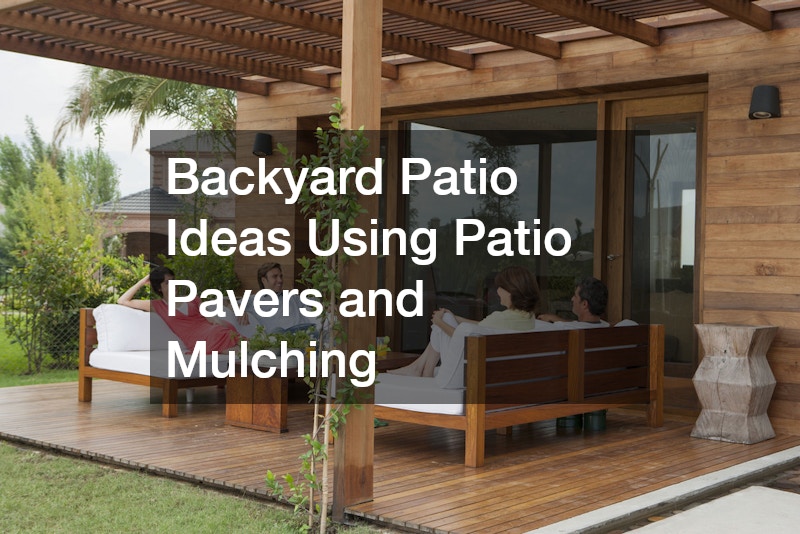

Creating a beautiful outdoor space doesn’t have to be overwhelming. With the right planning, materials, and maintenance strategy, you can turn an ordinary yard into a functional and inviting extension of your home. Whether you’re envisioning a place to host guests, relax with family, or simply enjoy fresh air, a well-designed patio can become the centerpiece of your outdoor living area.
This guide walks you through practical ideas, design strategies, and maintenance tips to help you build a durable, stylish space that works for your lifestyle. From planning and material selection to long-term upkeep, you’ll learn how to make smart decisions every step of the way.
Start with a Clear Vision and Layout Plan
Before you begin any physical work, it’s important to define how you want to use your backyard patio. Think about your daily habits and how the space can support them. Do you want a cozy seating area for quiet evenings, or a larger setup for entertaining guests? Clarifying your priorities will guide every design decision that follows.
Start by dividing your yard into functional zones. For example, you might designate one area for dining, another for lounging, and a third for greenery or decorative features. This approach helps create a natural flow and prevents the space from feeling cluttered. When planning garden designs, consider how plants and greenery will interact with the hard surfaces. A balanced layout ensures the space feels cohesive rather than disconnected.
Sketching your ideas—even roughly—can be incredibly helpful. You don’t need professional tools; a simple drawing can help you visualize spacing, proportions, and pathways. Pay attention to how people will move through the space. Clear walkways and logical transitions between zones make the area more comfortable and functional.
Choose the Right Materials for Durability and Style

Selecting the right materials is one of the most important steps in building a long-lasting patio. Patio pavers are a popular choice because they offer durability, versatility, and a wide range of design options. They come in various shapes, colors, and textures, allowing you to customize the look to match your home’s exterior.
When comparing materials, consider factors like climate, maintenance, and budget. Concrete pavers are cost-effective and easy to install, while natural stone offers a more premium appearance but may require additional upkeep. Brick provides a classic look and works well in traditional settings.
If you’re unsure which materials to choose, consulting hardscaping companies can be extremely valuable. Professionals can recommend options based on your specific environment and usage needs. They can also help you avoid common pitfalls, such as selecting materials that don’t hold up well in your local weather conditions.
Build a Strong Foundation for Long-Lasting Results
A beautiful surface means little if the foundation underneath isn’t properly prepared. Taking the time to build a solid base ensures your patio pavers remain level and stable for years to come. Without a proper foundation, even the highest-quality materials can shift, crack, or become uneven due to weather changes and regular use.
Start by excavating the area to the appropriate depth, typically several inches below the final surface level. This allows room for a compacted gravel base and a layer of sand. Removing all organic material, such as roots or grass, is essential to prevent decomposition that can cause sinking over time. Proper grading is essential to prevent water from pooling on the surface. A slight slope away from your home helps direct runoff safely and protects both your patio and your home’s foundation from water damage.
Compacting each layer thoroughly is key to avoiding future issues like shifting or sinking. A plate compactor is often used to ensure the gravel base is tightly packed and stable. The sand layer should then be leveled carefully to create a smooth surface for placing the patio pavers. While some homeowners choose to tackle this step themselves, hiring a landscaping service can provide peace of mind. Professionals have the equipment and expertise needed to ensure the foundation is installed correctly and efficiently.
Taking shortcuts during this stage often leads to costly repairs later. Investing time and effort upfront will save you from dealing with uneven surfaces, drainage problems, or premature wear down the line.
Enhance Comfort with Smart Irrigation Planning
Even though a patio is a hard surface, the surrounding greenery still requires proper hydration. Thoughtful sprinkler system installations can help maintain healthy plants without causing water damage to your patio.
Position sprinkler heads carefully to avoid overspray onto paved areas. Excess water can lead to staining, erosion of joint sand, or even mold growth over time. Adjustable sprinkler heads or drip irrigation systems can provide more precise watering where it’s needed most.
Coordinating your irrigation setup with lawn care services ensures your entire yard stays healthy and vibrant. Professionals can help you determine optimal watering schedules based on seasonal changes and plant types. This not only keeps your landscape looking great but also conserves water by avoiding unnecessary overuse.
Use Mulch Strategically to Frame and Protect Your Space
Mulch plays both a functional and aesthetic role in outdoor design. When applied correctly, it helps retain moisture, suppress weeds, and create a clean visual border around your patio.
Working with a landscape mulching service can simplify the process and ensure even application. Professionals can recommend the best type of mulch for your climate and design preferences, whether it’s organic options like bark or more decorative choices like colored mulch.
Incorporating mulch into your garden designs helps define edges and create contrast between hard and soft elements. For example, a dark mulch can make light-colored pavers stand out, while a lighter mulch can brighten shaded areas. Be sure to maintain consistent depth—typically 2 to 3 inches—to maximize its benefits without suffocating plants.
Incorporate Functional Features for Everyday Living

A patio should be more than just visually appealing—it should also be practical and comfortable. Adding functional features can transform your backyard patio into a true living space that supports your day-to-day lifestyle. Instead of treating it as a decorative extension, think of it as an outdoor room where you can relax, cook, dine, and gather with others.
Consider built-in seating or a fire pit to create a welcoming gathering area that encourages conversation and connection. Built-in benches can save space while providing ample seating, especially for larger groups. Outdoor kitchens or grilling stations are perfect for those who love to entertain, allowing you to prepare meals without constantly moving between indoor and outdoor spaces. Shade structures like pergolas or umbrellas can make the space usable even during hot summer days, helping regulate temperature and protect furniture from sun exposure.
Collaborating with a landscape designer can help you make the most of your available space. They can suggest creative solutions for maximizing functionality while maintaining a cohesive look. For example, integrating lighting into seating areas or pathways enhances both safety and ambiance, making the space usable well into the evening. Subtle lighting can also highlight key features and create a warm, inviting atmosphere.
Don’t forget about privacy. Strategic placement of plants, screens, or fences can help create a more intimate environment, especially if you live in a densely populated area. Layering greenery or installing decorative panels can provide separation without making the space feel closed off.
Source Quality Materials for Healthier Landscaping
The success of your outdoor space doesn’t just depend on hard materials—it also relies on the health of your plants and soil. Partnering with reputable garden soil suppliers ensures you’re using nutrient-rich soil that supports strong plant growth. High-quality soil provides the proper balance of nutrients, organic matter, and structure, all of which are essential for establishing strong root systems and encouraging long-term plant vitality.
Different plants have different soil requirements, so it’s important to choose the right mix for your specific needs. For example, some plants thrive in well-draining soil, while others require more moisture retention. Testing your existing soil can help you determine what amendments are necessary, such as compost, sand, or additional organic material. This step can also reveal pH levels, which play a critical role in how well plants absorb nutrients. Making the right adjustments early on prevents common issues like poor growth, discoloration, or plant stress.
A professional landscaping service can assist with soil preparation and installation, ensuring everything is set up correctly from the start. They can evaluate your yard’s conditions, recommend the appropriate soil blends, and properly install planting beds to promote drainage and stability. This step is especially important if you’re adding new planting beds or expanding your landscape, as improper preparation can lead to long-term problems.
Healthy soil leads to healthier plants, which in turn enhances the overall appearance and longevity of your outdoor space.
Blend Hardscape and Softscape for a Cohesive Look
A well-designed outdoor space strikes a balance between hard surfaces and natural elements. Combining textures, colors, and materials thoughtfully creates a cohesive and visually appealing environment.
Working with experienced hardscaping companies can help you integrate stone, wood, and other materials seamlessly with your greenery. At the same time, a skilled landscape designer can guide plant selection and placement to complement your patio’s style.
Consider layering plants of different heights to add depth and dimension. Ground cover, shrubs, and small trees can work together to create a dynamic and inviting space. Repeating certain colors or materials throughout the design also helps tie everything together.
Avoid overcrowding the area with too many elements. A clean, intentional design often has a greater impact than one that feels overly busy.
Maintain Your Patio and Surrounding Landscape Year-Round
Regular maintenance is essential to keep your outdoor space looking its best. Cleaning your patio periodically prevents dirt buildup and helps preserve its appearance. Sealing pavers can also protect them from stains and weather damage.
Incorporating lawn care services into your routine ensures your grass and plants remain healthy throughout the year. Seasonal tasks like fertilizing, aerating, and trimming contribute to a well-maintained landscape.
Refreshing mulch with the help of a landscape mulching service keeps your planting beds looking neat and functional. Over time, mulch breaks down and needs to be replenished to maintain its effectiveness.
Creating a simple maintenance schedule can make these tasks more manageable. Consistency is key to preventing small issues from turning into larger problems.
Plan for Long-Term Upgrades and Expansion
Designing your outdoor space with future growth in mind allows you to adapt and expand over time. Whether you plan to add new features or enhance existing ones, a flexible layout makes upgrades easier. Thinking ahead during the initial planning phase can save you time, money, and effort later, especially if your needs or preferences change as you begin using the space more frequently.
For example, you might leave space for additional seating areas, walkways, or planting beds. This could mean intentionally keeping certain areas open or designing pathways that can easily extend into new sections of your yard. As your landscape evolves, upgrading sprinkler system installations can help accommodate new plants and ensure efficient watering. Expanding irrigation zones or switching to more advanced systems can improve coverage while minimizing water waste, especially as your landscape becomes more complex.
Sourcing high-quality materials from trusted garden soil suppliers also supports long-term success. As you expand your garden or add new elements, having access to reliable resources makes the process smoother and ensures consistency in plant health and appearance. Matching soil quality across different areas helps maintain a uniform look and supports steady plant growth throughout your yard.
Budgeting for phased improvements can make larger projects more manageable. Instead of trying to complete everything at once, focus on building a strong foundation and adding features gradually. This approach allows you to prioritize essential elements first while giving you the flexibility to refine and enhance your outdoor space over time.
Turn Your Outdoor Space into a Lasting Investment

Transforming your outdoor space into a functional and inviting retreat takes thoughtful planning, the right materials, and consistent care. By focusing on both design and practicality, you can create an area that not only looks beautiful but also enhances your everyday life.
Whether you’re starting from scratch or improving an existing setup, each step you take brings you closer to a space you’ll enjoy for years to come.