
Introduction
Vehicle ownership involves much more than simply driving from one place to another. Regular maintenance, timely repairs, and thoughtful upgrades are essential for ensuring reliability, safety, and long-term value. Whether you own a personal vehicle, manage commercial equipment, or maintain specialty transportation such as recreational or utility vehicles, proactive care can prevent costly breakdowns and extend the lifespan of your investment.
Many drivers focus only on routine oil changes and tire rotations, but modern vehicles and equipment require a more comprehensive approach. Mechanical systems, electrical components, suspension elements, and safety features all need periodic inspection and servicing. Environmental factors, driving habits, and usage intensity also influence how frequently maintenance should be performed.
In addition to maintenance, customization services have become increasingly popular among vehicle owners who want to enhance performance, functionality, or visual appeal. From protective coatings to performance upgrades and specialized equipment installations, vehicle modifications can improve usability for both recreational and professional applications.
This guide explores key aspects of maintaining, repairing, and upgrading various types of vehicles and equipment. By understanding the services available and how to properly care for your transportation assets, you can improve reliability, reduce long-term costs, and ensure that your vehicles remain safe and efficient for years to come.
What to Do When Your Vehicle Breaks Down on the Road

Unexpected breakdowns can happen to even the most well-maintained vehicles. Knowing how to respond quickly and safely when a vehicle stops functioning is critical for protecting both the driver and other motorists.
One of the first steps during a breakdown is to move the vehicle to a safe location if possible. Pulling over to the shoulder of the road, turning on hazard lights, and placing warning triangles can help prevent accidents and alert other drivers to the situation.
In many situations, contacting a towing company is the safest and most efficient way to transport a disabled vehicle. Professional towing providers have specialized equipment designed to move vehicles without causing additional damage to mechanical components or the drivetrain.
Drivers should consider several factors when selecting roadside assistance services:
-
Response time and availability
-
Type of towing equipment used
-
Experience with specific vehicle types
-
Distance to the nearest repair facility
-
Insurance coverage or roadside assistance programs
Keeping emergency supplies in your vehicle can also help during unexpected breakdowns. Helpful items include:
-
Reflective warning triangles or flares
-
Jumper cables or portable battery chargers
-
A flashlight with spare batteries
-
Basic hand tools
-
A first-aid kit
-
Bottled water and emergency blankets
Regular inspections and maintenance can significantly reduce the likelihood of roadside failures. However, when mechanical issues occur unexpectedly, having a plan in place ensures the situation is handled safely and efficiently.
Maintaining and Repairing Agricultural and Utility Equipment
Agricultural and heavy-duty utility equipment require consistent maintenance due to demanding operating conditions. Machines used in farming, landscaping, and construction often operate for long hours under heavy loads, which places significant stress on engines, hydraulic systems, and drivetrain components.
Proper tractor repair services are essential for maintaining productivity and avoiding costly downtime during critical working seasons. Mechanical failures during planting or harvesting periods can disrupt operations and lead to significant financial losses.
Key components that require regular inspection include:
-
Engine oil and coolant systems
-
Hydraulic hoses and pumps
-
Transmission components
-
Fuel injection systems
-
Electrical wiring and battery systems
Routine maintenance helps detect small issues before they escalate into major failures. For example, replacing worn hydraulic hoses early can prevent leaks that may cause damage to surrounding components.
Operators should also follow a preventative maintenance schedule that includes:
-
Changing oil and filters at manufacturer-recommended intervals
-
Inspecting belts and pulleys for wear
-
Lubricating moving joints and linkages
-
Checking tire pressure and tread condition
-
Cleaning air intake filters
Keeping detailed maintenance records is another important practice. Tracking service dates, parts replacements, and repair history allows equipment owners to anticipate future needs and identify recurring issues.
Working with experienced technicians who specialize in heavy machinery ensures that repairs are performed correctly and that equipment remains reliable for demanding tasks.
Protecting Vehicles Used Near Water and Marine Environments
Vehicles and equipment used near water face unique maintenance challenges due to constant exposure to moisture, salt, and fluctuating temperatures. Corrosion and rust can quickly develop if protective measures are not taken.
Boat lift service providers play an important role in maintaining waterfront equipment and ensuring vessels remain protected when not in use. Properly functioning lifts help prevent prolonged water exposure that can damage hulls, engines, and electrical components.
Routine inspection of waterfront equipment should include:
-
Checking cables and pulleys for wear
-
Inspecting lift motors and electrical connections
-
Verifying proper alignment and weight distribution
-
Examining structural supports for corrosion
Saltwater environments require additional protective steps because salt accelerates rust formation. Owners should regularly rinse metal surfaces with fresh water and apply corrosion-resistant coatings to exposed parts.
Other maintenance recommendations include:
-
Inspecting dock hardware and mounting points
-
Replacing worn lift straps or cables
-
Testing safety switches and limit controls
-
Lubricating moving components to prevent seizing
By implementing routine inspections and preventative maintenance, waterfront property owners can extend the lifespan of their equipment and avoid costly structural damage.
Caring for Recreational Transportation and Small Utility Vehicles

Small recreational vehicles provide convenient transportation for neighborhoods, resorts, golf courses, and large properties. However, these compact vehicles still require regular care to remain reliable and safe.
Golf cart repair services are essential for maintaining electrical systems, batteries, braking components, and suspension parts. Because many golf carts rely on electric power, battery maintenance plays a critical role in overall performance.
Owners should monitor the following components:
-
Battery water levels and charging cycles
-
Tire condition and pressure
-
Brake pads and cables
-
Steering linkages
-
Suspension bushings
Proper battery care significantly extends the lifespan of electric vehicles. Maintenance best practices include:
-
Charging batteries fully after each use
-
Avoiding deep discharge cycles whenever possible
-
Cleaning battery terminals to prevent corrosion
-
Ensuring adequate ventilation during charging
In addition to maintenance, many owners customize these vehicles for improved comfort and performance. Common upgrades include enhanced seating, lighting systems, upgraded tires, and weather protection accessories.
Regular inspections help identify worn components before they compromise safety. With consistent care and timely repairs, recreational vehicles can remain reliable for many years.
Improving Vehicle Durability with Protective Coatings
Vehicle exteriors and cargo areas often endure significant wear from daily use. Protective coatings help prevent corrosion, scratches, and other damage caused by heavy loads or environmental exposure.
A truck bedliner is one of the most popular protective upgrades for pickup truck owners. These durable coatings create a protective barrier between the truck bed and transported materials, reducing the risk of dents, rust, and paint damage.
Bedliner applications are available in several forms:
-
Spray-on coatings
-
Drop-in liners
-
Rubberized protective mats
-
Hybrid composite systems
Each option offers different advantages depending on the vehicle owner’s needs. Spray-on coatings provide seamless protection and resist shifting, while removable liners allow easier cleaning and replacement.
Protective coatings also provide benefits beyond physical durability:
-
Improved resistance to moisture and chemicals
-
Reduced noise from cargo movement
-
Enhanced resale value
-
Easier cleaning and maintenance
Vehicle owners who regularly transport construction materials, landscaping supplies, or equipment can significantly extend the lifespan of their truck beds by installing high-quality protective coatings.
Enhancing Off-Road Performance and Utility
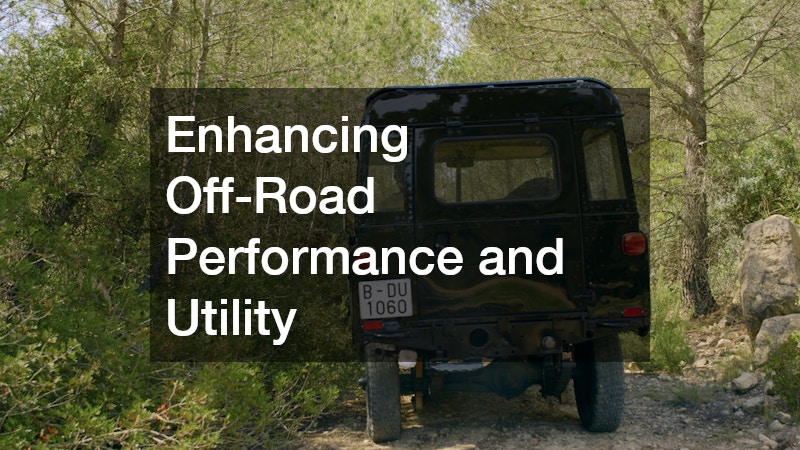
Off-road vehicles require specialized upgrades to perform safely in rugged environments. Drivers who frequently explore trails, remote terrain, or outdoor recreation areas often modify their vehicles to improve capability and durability.
Jeep accessories are widely used by off-road enthusiasts who want to enhance traction, protection, and cargo capacity. Popular upgrades range from suspension lifts and skid plates to roof racks and upgraded lighting systems.
Common off-road upgrades include:
-
All-terrain or mud-terrain tires
-
Reinforced bumpers and winches
-
Suspension lift kits
-
Rock sliders and skid plates
-
Roof-mounted cargo carriers
Safety should remain a top priority when installing performance modifications. Improper installation or poorly designed components can compromise vehicle handling and stability.
Drivers should also consider environmental responsibility when using off-road vehicles. Staying on designated trails and minimizing environmental impact helps preserve natural areas for future recreational use.
By carefully selecting high-quality components and ensuring proper installation, off-road enthusiasts can enjoy improved performance while maintaining vehicle reliability.
Improving Safety and Air Quality in Automotive Workspaces
Automotive repair facilities must maintain safe working environments for technicians who frequently operate engines indoors. Exhaust fumes produced during vehicle operation contain harmful gases that can accumulate quickly in enclosed spaces.
Vehicle exhaust extraction systems are designed to capture and remove exhaust fumes directly from running vehicles before they enter the workspace. These systems play a critical role in protecting the health of technicians and maintaining regulatory compliance.
Effective exhaust removal systems typically include:
-
Flexible hoses that connect directly to tailpipes
-
High-capacity ventilation fans
-
Filtration units to remove harmful particles
-
Ceiling-mounted or wall-mounted hose reels
Properly designed ventilation systems reduce exposure to carbon monoxide and other hazardous gases that can pose serious health risks when inhaled over time.
Repair facilities should also implement additional safety measures, such as:
-
Installing carbon monoxide detectors
-
Conducting regular equipment inspections
-
Training staff on proper ventilation procedures
-
Maintaining clean, uncluttered workspaces
Investing in proper air management systems not only protects workers but also improves overall shop efficiency and compliance with occupational safety regulations.
Maintaining Performance and Efficiency in Heavy-Duty Trucks
Commercial trucks and heavy-duty diesel vehicles require specialized maintenance due to their complex engines and demanding workloads. Diesel engines operate under high pressure and temperature conditions, making regular inspections essential for maintaining reliability.
Professional diesel truck repair services address issues related to fuel systems, turbochargers, emissions components, and engine cooling systems. Early detection of mechanical problems can prevent catastrophic engine failures and costly downtime.
Important maintenance tasks for diesel vehicles include:
-
Monitoring fuel injector performance
-
Inspecting turbocharger components
-
Replacing fuel and air filters regularly
-
Checking coolant systems for leaks or contamination
-
Testing battery and electrical systems
Diesel engines often operate for hundreds of thousands of miles when properly maintained. However, neglecting routine service can lead to reduced fuel efficiency, excessive emissions, and increased repair costs.
Fleet managers should establish preventative maintenance programs that include scheduled inspections and diagnostic testing. These programs help identify potential issues early and ensure vehicles remain safe and operational.
By prioritizing regular service and working with experienced diesel technicians, truck owners can extend engine lifespan and maintain consistent performance.
Expanding Transportation Options with Alternative Mobility Solutions
As urban areas grow and environmental awareness increases, alternative transportation options are becoming more popular. Compact electric-powered vehicles provide efficient mobility while reducing fuel consumption and emissions.
The electric bike has gained widespread popularity among commuters and recreational riders alike. These battery-powered bicycles assist riders with pedaling, making it easier to travel longer distances or navigate hilly terrain.
Electric bicycles offer several advantages:
-
Reduced transportation costs
-
Lower environmental impact
-
Easier commuting in congested areas
-
Improved accessibility for riders of varying fitness levels
Maintenance requirements for electric bicycles include both traditional bicycle care and electrical system inspections. Owners should regularly check:
-
Tire pressure and brake performance
-
Battery charge cycles and storage conditions
-
Motor connections and wiring
-
Chain lubrication and gear alignment
Proper battery storage is particularly important for maintaining long-term performance. Batteries should be stored in cool, dry environments and charged according to manufacturer guidelines.
As technology continues to evolve, electric mobility solutions are likely to play an increasingly important role in urban transportation systems.
Increasing Brand Visibility with Commercial Vehicle Graphics

Businesses that operate service vehicles have a unique opportunity to transform their transportation assets into mobile advertising platforms. Professionally designed vehicle graphics can significantly increase brand exposure while vehicles travel throughout local communities.
A fleet vehicle wrap allows companies to display logos, contact information, and marketing messages directly on company vehicles. High-quality wraps are made from durable vinyl materials designed to withstand weather conditions and road debris.
Benefits of professional vehicle graphics include:
-
Continuous brand exposure during daily travel
-
Cost-effective long-term advertising
-
Professional appearance for service vehicles
-
Protection for original vehicle paint
When designing vehicle graphics, businesses should focus on clarity and readability. Effective designs typically include:
-
Bold company logos
-
Clear contact information
-
Simple color schemes
-
Concise marketing messages
Proper installation is critical for ensuring durability and visual quality. Professional installers prepare vehicle surfaces carefully to prevent bubbles, wrinkles, or premature peeling.
Businesses with multiple service vehicles often experience significant marketing benefits from mobile branding strategies. Consistent vehicle graphics reinforce brand recognition and help companies stand out in competitive markets.
Conclusion
Maintaining vehicles and equipment requires a comprehensive approach that includes regular inspections, preventative maintenance, and strategic upgrades. By understanding the services available and implementing consistent care routines, vehicle owners can improve reliability, safety, and long-term value.
Whether maintaining personal vehicles, commercial trucks, recreational equipment, or specialty transportation systems, proactive care helps prevent costly repairs and unexpected downtime. Professional service providers play a key role in diagnosing problems, performing repairs, and recommending improvements that enhance performance and durability.
Vehicle customization and technology advancements continue to expand the possibilities for owners seeking improved functionality or aesthetic appeal. When upgrades are carefully selected and properly installed, they can enhance both usability and resale value.
By staying informed about maintenance practices and available services, vehicle owners can make confident decisions that protect their investments and ensure dependable transportation for years to come.